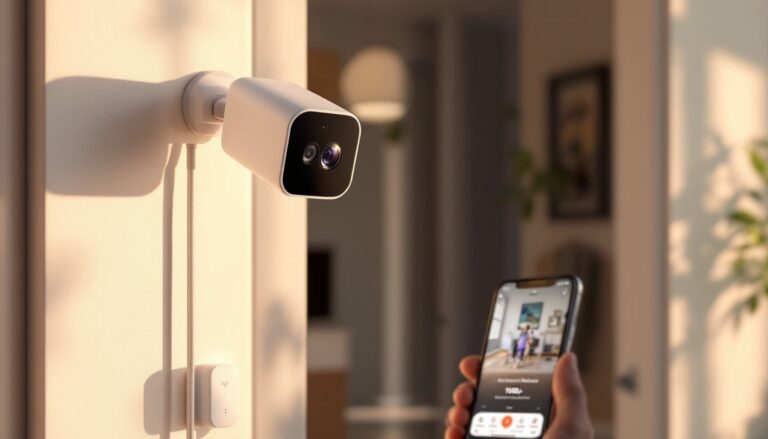
The best smart home tech in 2025 offers more control, convenience, and energy savings than ever before. Whether someone wants to dim the lights with their voice or monitor their front door from 500 miles away, today’s devices deliver real results. Smart home technology has moved well past the novelty phase. It now solves everyday problems, saving money on utility bills, improving home security, and making daily routines simpler.
This guide covers the top categories of smart home tech available right now. Readers will find practical recommendations for smart speakers, lighting systems, security devices, and thermostats. The final section explains how to pick the right products based on individual needs and budgets.
Table of Contents
ToggleKey Takeaways
- The best smart home tech in 2025 delivers real benefits including energy savings, improved security, and simplified daily routines.
- Smart speakers from Amazon, Google, and Apple serve as the command center for controlling connected devices throughout your home.
- Smart thermostats typically pay for themselves within two years by saving 10-15% on heating and cooling costs.
- Choose one primary voice assistant ecosystem (Alexa, Google, or Siri) to avoid compatibility issues and simplify your setup.
- Before investing in smart home tech, identify the specific problems you want to solve—whether that’s security, energy efficiency, or convenience.
- Verify your home Wi-Fi can handle multiple smart devices, and consider a mesh system if you experience coverage issues.
Smart Speakers and Voice Assistants
Smart speakers serve as the command center for most smart home setups. These devices respond to voice commands, play music, answer questions, and control other connected gadgets throughout the house.
Amazon Echo devices remain the most popular choice in 2025. The Echo Dot offers an affordable entry point, while the Echo Studio delivers premium sound quality. Alexa, Amazon’s voice assistant, works with over 100,000 smart home products.
Google Nest speakers provide excellent integration with Google services. People who use Gmail, Google Calendar, and Google Photos will appreciate how seamlessly these devices pull information. The Nest Audio produces impressive sound for its size, and the Nest Hub adds a screen for visual feedback.
Apple’s HomePod and HomePod Mini appeal to iPhone users. Siri handles HomeKit-compatible devices smoothly, and the sound quality punches above its price point. Privacy-focused users often prefer Apple’s approach to data handling.
When choosing the best smart home tech for voice control, compatibility matters most. Someone with mostly Alexa-compatible devices should stick with Echo products. Mixed ecosystems can cause frustration and limit functionality.
Smart Lighting Systems
Smart lighting transforms how people interact with their homes. Users can adjust brightness, change colors, set schedules, and create scenes, all from a phone or voice command.
Philips Hue remains the gold standard for smart lighting in 2025. The system offers bulbs, light strips, outdoor fixtures, and lamps. Hue’s app provides extensive customization options, and the ecosystem works with every major voice assistant. The downside? It requires a hub and costs more than competitors.
WYZE bulbs deliver excellent value. They connect directly to Wi-Fi (no hub needed) and cost a fraction of premium options. The trade-off is fewer color options and a less polished app experience.
Nanoleaf panels create stunning visual displays on walls. These aren’t just lights, they’re décor pieces that respond to music, games, and custom animations. They cost more per unit but make a real statement.
For the best smart home tech experience with lighting, start small. Replace bulbs in one room first. Test the app and voice controls before expanding throughout the house. Many people discover that scheduling features save more energy than they expected.
Smart Security Devices
Smart security devices give homeowners peace of mind and real-time monitoring capabilities. Modern options include video doorbells, security cameras, smart locks, and complete alarm systems.
Ring Video Doorbell remains a top pick for front-door monitoring. Users see and speak with visitors through their phone, even when away from home. Ring also offers affordable monthly plans for video storage and professional monitoring.
Arlo cameras excel in video quality. The Arlo Pro 5 captures sharp 2K footage with color night vision. These cameras work indoors or outdoors and don’t require wiring.
Smart locks eliminate the need for physical keys. August and Schlage make excellent options that integrate with existing deadbolts. Users can create temporary codes for guests, lock or unlock remotely, and receive alerts about door activity.
Simplisafe and Ring offer complete security systems for those wanting comprehensive protection. These include entry sensors, motion detectors, glass break sensors, and 24/7 monitoring options.
The best smart home tech for security depends on specific concerns. Someone worried about package theft needs a video doorbell. A family wanting whole-home protection should consider a complete system with professional monitoring.
Smart Thermostats and Climate Control
Smart thermostats save money while keeping homes comfortable. These devices learn household patterns, detect occupancy, and adjust temperatures automatically.
Nest Learning Thermostat has earned its reputation over years of refinement. It studies when people come and go, then creates a schedule that reduces energy waste. The Nest app shows energy usage reports that help users understand their heating and cooling habits.
Ecobee SmartThermostat stands out with included room sensors. These sensors measure temperature and occupancy in multiple rooms, preventing hot and cold spots. The built-in Alexa speaker adds voice control without needing a separate device.
Honeywell Home T9 offers similar room sensor functionality with a slightly different approach. Its interface appeals to people who prefer straightforward controls over flashy features.
Smart thermostats typically pay for themselves within two years through energy savings. Studies show average savings of 10-15% on heating and cooling costs. That makes them among the best smart home tech investments available.
For optimal results, place the thermostat away from direct sunlight and drafty areas. Poor placement causes inaccurate readings and wasted energy.
How to Choose the Right Smart Home Tech
Selecting the best smart home tech requires considering several factors. Budget, compatibility, and actual needs should drive every purchase decision.
Start with One Ecosystem
Picking a primary voice assistant simplifies everything. Someone who chooses Alexa should prioritize “Works with Alexa” products. Mixing ecosystems creates headaches. Not all devices play nicely together, and troubleshooting becomes more difficult.
Identify Real Problems
Smart home tech works best when it solves actual problems. Someone who constantly forgets to lock the door benefits from a smart lock. A person with high energy bills should start with a smart thermostat. Buying gadgets without purpose leads to expensive shelf decorations.
Check Wi-Fi Requirements
Many smart devices strain home networks. Before adding twenty smart bulbs and five cameras, verify the router can handle the load. Mesh Wi-Fi systems like Eero and Google Nest WiFi help homes with coverage issues.
Read Recent Reviews
Smart home tech changes quickly. A device that worked perfectly in 2023 might have degraded through software updates. Check reviews from the past six months to understand current performance.
Consider Privacy
Voice assistants listen constantly for wake words. Cameras record footage that may be stored on company servers. Users who value privacy should research how companies handle data before purchasing.