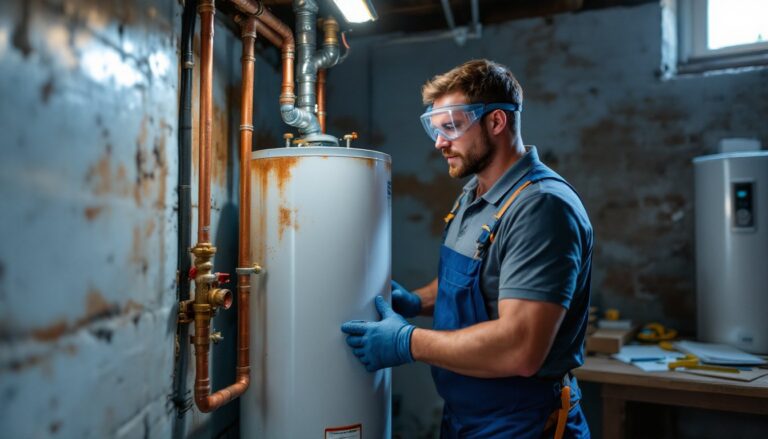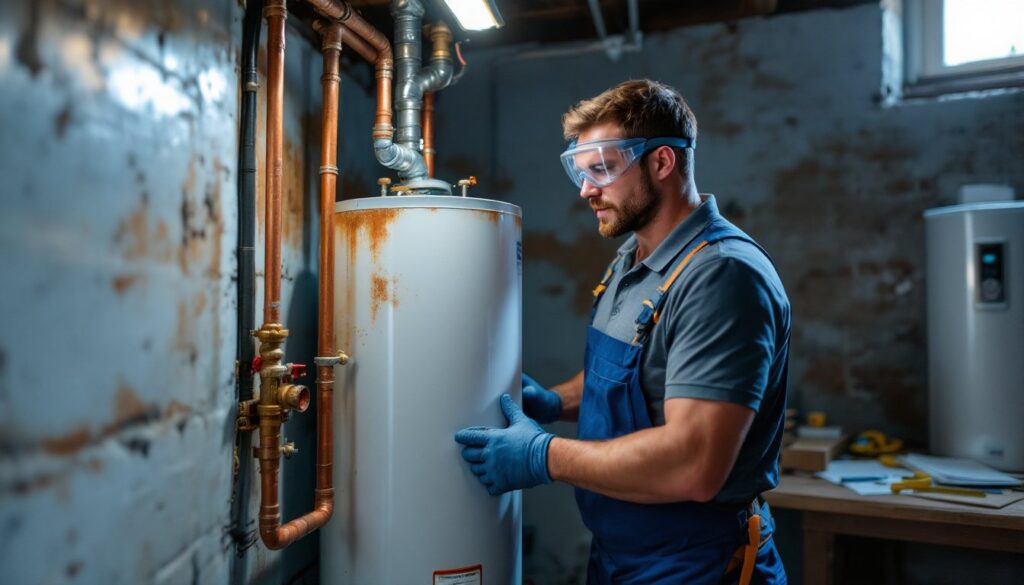
Chicago homeowners replacing a failing water heater face real decisions about system type, installation complexity, and local code requirements. A new water heater isn’t a set-it-and-forget-it appliance, it’s a utility that directly impacts your home’s comfort and efficiency. Whether you’re dealing with a burst tank, poor performance, or just aging equipment, understanding your options before calling a pro or tackling installation yourself will save time, money, and frustration. This guide walks through the main water heater systems available, what to prepare before installation begins, when to hire a professional versus what you might handle alone, and the specific permits and regulations that apply in Chicago.
Table of Contents
ToggleKey Takeaways
- Water heater installation Chicago homeowners should understand tank vs. tankless vs. heat pump options, as each has different upfront costs ($500–$5,500), lifespan, and space requirements.
- Proper preparation—measuring space, identifying fuel type, checking water hardness, and documenting existing hookups—prevents costly surprises and ensures accurate contractor estimates.
- Chicago requires a water heater installation permit and final inspection to verify venting, combustion air, seismic bracing, and energy code compliance, making professional licensing essential.
- Most Chicago homeowners should hire a licensed professional ($500–$1,500 labor) for gas or electric installations to ensure safety, warranty coverage, and insurance eligibility.
- Total water heater installation costs typically range $1,500–$5,500 depending on unit type and system upgrades; budget an extra 10–15% for unexpected plumbing or venting modifications.
- Obtain multiple contractor quotes and compare warranty coverage, efficiency ratings, and permitting services rather than choosing solely on price to avoid code violations and poor workmanship.
Types of Water Heaters to Consider for Your Chicago Home
Tank vs. Tankless Systems
Traditional tank water heaters store 40–80 gallons of hot water and keep it ready for use. They’re affordable upfront ($500–$1,200 for the unit), simple to install, and work reliably even if your home’s electrical or gas capacity is limited. The trade-off: they take up floor space, lose heat continuously (even when not in use), and require replacement every 8–12 years in Chicago’s hard-water areas.
Tankless water heaters heat water on demand, which sounds ideal, and for the right home, they are. They’re compact, last 15–20 years, and use less energy. But they cost $1,500–$3,500 upfront, require a significant venting upgrade (often a new flue or dedicated vent pipe), and may struggle if you run multiple hot-water fixtures simultaneously. Gas units also demand higher flow rates from your existing gas line.
Heat Pump and Hybrid Options
Heat pump water heaters use electricity to extract heat from the air and move it to the tank. They’re efficient, cutting energy use by up to 50% compared to standard electric units, and still fit in standard spaces. They cost $1,200–$2,500, but they work best in homes that stay above 50°F year-round. Chicago winters can challenge them, so you’d want a backup heating element, which adds cost.
Hybrid systems combine a tank with heat pump or solar preheating. They’re the efficiency sweet spot for many homeowners but demand careful sizing and placement. Chicago’s cold winters and variable sun exposure mean you’ll want to run the numbers with a professional before committing.
Essential Preparation Steps Before Installation
Before your installer shows up, or before you start work yourself, get your space and information in order.
Measure the installed unit and the space it occupies. Tank dimensions vary widely: a standard 40-gallon electric unit is roughly 48″ tall and 24″ in diameter. If you’re upgrading from one type to another (say, tank to tankless), the space requirements change dramatically. Tankless units hang on walls but need clearance above and below for venting and servicing.
Identify the fuel type and current connection size. Is your existing heater gas or electric? If gas, note the pipe diameter (typically 3/4″) and whether it uses natural gas or propane. For electric units, check your panel, does it have a spare 20–30-amp dedicated breaker? An upgrade to your electrical service adds $500–$2,000 to the project.
Check your water hardness and sediment buildup. Chicago’s water is notoriously hard. If your old tank shows rust-colored water or the unit rumbles, sediment has collected. Don’t just move into a new tank: consider a water softener or at least a sediment filter on the inlet to extend the new heater’s life.
Document the existing installation. Take photos of the current hookups, pipe materials (copper, PEX, or galvanized), drain setup, and any relief valve or expansion tank already in place. This information helps contractors give accurate estimates and prevents surprises during removal.
Professional Installation vs. DIY: What Chicago Homeowners Need to Know
Most Chicago homeowners should hire a licensed professional. Water heater installation involves gas or high-voltage electrical work, flue venting (in gas units), code compliance, and warranty concerns that demand licensed expertise. If your work doesn’t pass inspection or something goes wrong, a gas leak, improper venting, or electrical fire, your homeowner’s insurance may not cover it.
That said, if you have experience with plumbing and HVAC, and you’re working on an electric tank unit, some simpler aspects are DIY-friendly: disconnecting the old unit (after flushing and draining), installing new supply and drain piping, and replacing insulation wraps. You’d still hire a licensed electrician for the final circuit connection.
Hiring a professional ensures: proper sizing based on your household’s peak demand, correct venting (critical for gas units, improper venting causes carbon monoxide buildup), code-compliant installation, and warranty registration. Professional installation typically runs $500–$1,500 in labor, on top of the unit cost.
If you do tackle prep work yourself, wear heavy gloves and goggles when draining the tank, residual sediment and hot water can cause burns. Use a respirator mask if your basement or utility closet is dusty or has mold. Turn off power or gas at the circuit breaker or meter before disconnecting anything.
Research contractors via HomeAdvisor or your local licensing board to confirm licensing and check for complaints. A licensed installer guarantees the job meets Chicago’s strict energy code (IECC) and plumbing code.
Permits and Regulations Specific to Chicago
Chicago requires a permit for any water heater replacement or installation. It’s not optional, and skipping it risks fines, failed home inspections, and insurance denial if something fails.
Apply for a plumbing permit through the City of Chicago Department of Buildings. The permit process typically involves a brief form, proof of address, and a modest fee ($50–$150). You don’t usually need a detailed design plan for a like-for-like replacement, but the inspector will verify the final installation.
Inspectors check for:
- Proper venting (gas units must terminate safely outside, not into an attic or unconditioned space)
- Adequate combustion air supply (gas units need fresh-air intake, especially in tightly sealed new homes)
- Earthquake strapping or bracing (yes, even in Chicago, newer codes require seismic restraint)
- T&P relief valve with a proper drain line (not just dumping on the floor)
- Backflow prevention on the inlet (prevents contaminated water from flowing back into the city supply)
- Gas line size and pressure regulation (undersized or unregulated lines cause inefficient operation and safety hazards)
Energy code compliance matters, too. Chicago follows the International Energy Code (IECC), which sets minimum insulation R-values for tanks and mandates certain efficiency ratings (Energy Factor, or EF, for electric: Uniform Energy Factor, or UEF, for newer models). A tank with an EF below 0.50 won’t pass code.
Your contractor should handle permitting, but confirm upfront. If you’re hiring independently, ask whether the fee is included in the quote. A licensed contractor pulls the permit, schedules the inspection, and ensures the job is documented, all critical for resale and insurance.
Cost Factors and Budget Planning
Water heater replacement costs vary widely based on unit type, your home’s existing setup, and Chicago’s regional pricing.
Entry-level gas tank units run $700–$1,200 installed: electric tanks, $600–$1,000. Adding a second story, narrow basements, or difficult venting conditions bumps labor up. Chicago water heater replacement costs typically fall between $1,500 and $3,000 for a complete tank system with labor.
Tankless and heat pump units push the total into $3,500–$5,500 due to higher equipment cost and the labor-intensive venting or electrical upgrades they require.
Beyond the unit itself, budget for:
- Plumbing modifications: New or relocated supply/drain lines, especially if you’re changing unit type. Add $200–$600.
- Electrical or gas work: An electrician or gas technician doing final hookups or upgrades runs $200–$500.
- Permits and inspection: $50–$200.
- Removal and disposal of the old unit: Often included in the installation quote, but confirm. If hazardous materials are present (asbestos in very old insulation), dispose properly, $100–$300.
- Water softening or filtration: If you add a pre-filter or softener, add $300–$1,500.
Get multiple quotes. Reach out to 2–3 licensed contractors and compare not just price but warranty (typically 6–12 years on the tank, 5 years on parts/labor), the efficiency rating of the unit, and whether they handle permitting. ImproveNet and local review sites like Google or Yelp show whether contractors finish on time and honor warranties.
Don’t choose solely on price. A contractor offering $500 below market may cut corners on code compliance or warranty support. Budget 10–15% extra to account for surprises, old galvanized supply lines that corrode during removal, a gas line that doesn’t meet code and needs replacement, or a venting issue discovered during inspection.