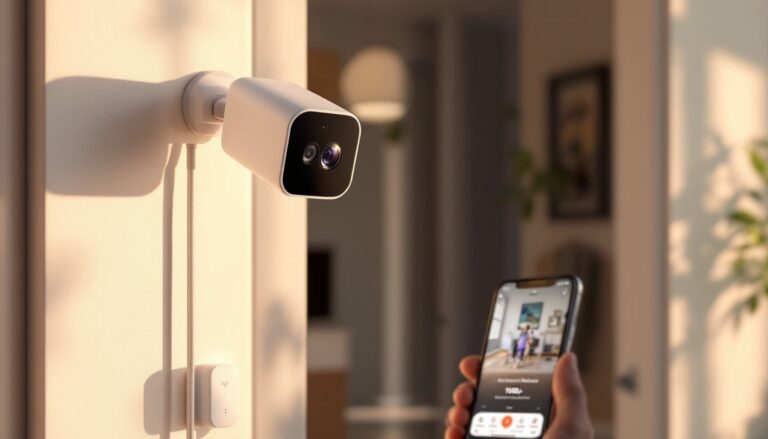
Smart home tech examples are everywhere today, from voice-controlled speakers to thermostats that learn daily routines. These devices connect to the internet and communicate with each other, creating homes that respond to their owners’ needs. The global smart home market reached $121 billion in 2024, and experts predict continued growth as more households adopt connected technology.
This guide covers the most popular smart home tech examples available right now. Readers will discover how smart speakers, intelligent lighting, security systems, and connected appliances work together to simplify daily life. Whether someone wants to save energy, improve home security, or just make everyday tasks easier, these devices offer practical solutions.
Table of Contents
ToggleKey Takeaways
- Smart home tech examples range from voice-controlled speakers to intelligent thermostats, with the global market reaching $121 billion in 2024.
- Smart speakers like Amazon Echo and Google Nest serve as central hubs that control lighting, locks, and other connected devices through simple voice commands.
- Smart thermostats can save households 10-15% on heating and cooling costs, typically paying for themselves within two years.
- Video doorbells and smart locks provide comprehensive home security with remote monitoring, temporary access codes, and detailed entry logs.
- Connected appliances like smart refrigerators, robot vacuums, and whole-home audio systems automate routine tasks and enhance everyday convenience.
- These smart home tech examples work together through integrations, allowing a single command to control multiple devices simultaneously.
Smart Speakers and Voice Assistants
Smart speakers serve as the command center for most smart home setups. Devices like Amazon Echo, Google Nest, and Apple HomePod respond to voice commands and control other connected devices throughout the home.
These smart home tech examples do far more than play music. Users can ask their voice assistant to set timers, check the weather, read news headlines, or add items to shopping lists. The technology recognizes natural speech patterns, so commands don’t need to follow a specific script.
Voice assistants also act as hubs for other smart devices. A simple phrase like “turn off all the lights” or “lock the front door” triggers instant action across multiple devices. This hands-free control proves especially useful when carrying groceries, cooking dinner, or getting ready for bed.
Amazon’s Alexa currently supports over 100,000 skills, third-party apps that extend its capabilities. Google Assistant and Siri offer similar integrations. Users can order food, call a rideshare, or control their TV without touching a single button.
Privacy remains a valid concern with always-listening devices. Most smart speakers include a physical mute button that disconnects the microphone. Users can also review and delete their voice history through companion apps.
For families, smart speakers offer multi-user recognition. The device identifies different voices and provides personalized responses. Kids might hear age-appropriate content while adults access their own calendars and reminders.
Intelligent Lighting and Climate Control
Smart lighting represents one of the most accessible smart home tech examples for beginners. Products like Philips Hue, LIFX, and Wyze bulbs screw into existing fixtures and connect to home Wi-Fi networks within minutes.
These bulbs offer features traditional lighting can’t match. Users control brightness levels, set schedules, and choose from millions of colors through smartphone apps. Motion sensors can trigger lights automatically when someone enters a room, and geofencing technology turns lights on as residents approach home.
Smart thermostats like Nest, Ecobee, and Honeywell Home deliver significant energy savings. These devices learn household patterns over time. They lower heating or cooling when everyone leaves for work and return to comfortable temperatures before anyone arrives home.
The Nest Learning Thermostat claims to save users an average of 10-12% on heating bills and 15% on cooling costs. That translates to roughly $130-150 per year for typical households. The device pays for itself within two years for most users.
Smart climate control extends beyond thermostats. Connected ceiling fans adjust speed based on room temperature. Smart vents open and close to direct airflow where it’s needed most. Some systems even integrate with weather forecasts to anticipate temperature changes.
These smart home tech examples also support voice control through integration with major platforms. Users can say “make it warmer” or “dim the bedroom lights” without interrupting their activities.
Smart Security and Surveillance Systems
Home security ranks among the top reasons people invest in smart home tech examples. Modern systems combine cameras, sensors, and smart locks into comprehensive protection packages.
Video doorbells from Ring, Nest, and Eufy let homeowners see and speak with visitors from anywhere. A delivery person rings the bell, and the homeowner responds through their smartphone, even from the office or during vacation. Motion detection sends alerts when anyone approaches the door.
Indoor and outdoor cameras provide 24/7 monitoring with features like night vision, two-way audio, and person detection. Many cameras distinguish between people, animals, and vehicles, reducing false alerts from passing cars or neighborhood cats.
Smart locks eliminate the need for physical keys. Homeowners unlock doors with smartphones, PIN codes, or fingerprints. They can create temporary access codes for guests, housekeepers, or dog walkers. The lock logs every entry, so users know exactly who came and went.
Window and door sensors complete the security picture. These small devices detect when entry points open and can trigger alarms or send smartphone notifications. Some sensors also monitor for glass breakage or unusual vibrations.
Professional monitoring services add another layer of protection. Companies like ADT and SimpliSafe offer 24/7 response teams that contact emergency services when alarms activate. But, many smart home tech examples work perfectly well with self-monitoring for users who prefer that approach.
Integration ties everything together. When someone rings the doorbell at night, smart lights can automatically turn on. If a sensor detects a break-in, cameras start recording while the system alerts the homeowner and authorities.
Connected Appliances and Entertainment
Smart appliances bring convenience to kitchens, laundry rooms, and living spaces. These smart home tech examples handle routine tasks with minimal human intervention.
Smart refrigerators from Samsung and LG feature interior cameras that let users check contents remotely. No more standing in the grocery store wondering whether there’s milk at home. Some models track expiration dates and suggest recipes based on available ingredients.
Connected ovens and ranges offer remote preheating and temperature monitoring. A user can start warming the oven during their commute home. Built-in meat thermometers send alerts when food reaches the target temperature, eliminating guesswork from cooking.
Smart washers and dryers notify users when cycles complete. Some models download specialized cycles for specific fabric types. Others automatically order detergent when supplies run low.
Robot vacuums represent one of the most popular smart home tech examples. Devices from iRobot, Roborock, and Shark map home layouts and clean on customizable schedules. Users can direct them to specific rooms or set no-go zones around pet bowls and cables.
Entertainment systems have grown smarter too. Smart TVs access streaming services directly, eliminating the need for separate devices. Streaming sticks like Roku and Fire TV add smart features to older televisions.
Whole-home audio systems from Sonos and Bose play music in every room simultaneously or different tracks in each space. Voice commands control playback, and the systems integrate with major streaming platforms.
These smart home tech examples communicate with each other and with voice assistants. A single command can dim the lights, start a movie, and lower the thermostat for an instant home theater experience.