Smart home tech ideas have moved from science fiction to everyday reality. Millions of households now use connected devices to control lighting, security, climate, and entertainment with a tap or voice command. The market for smart home technology continues to grow, with projections showing the industry will exceed $330 billion globally by 2030.
Whether someone wants to save energy, improve home security, or simply enjoy the convenience of automated systems, there’s a smart home solution available. This guide covers the most practical and impactful smart home tech ideas that can genuinely transform how people live. From voice assistants to intelligent thermostats, these upgrades offer real benefits, not just novelty.
Table of Contents
ToggleKey Takeaways
- Voice assistants like Alexa, Google Assistant, and Siri serve as the central hub for controlling all smart home tech ideas from a single point.
- Smart lighting systems use up to 80% less energy than incandescent bulbs and offer scheduling, dimming, and color customization features.
- Video doorbells and smart locks provide professional-grade home security without expensive monthly monitoring fees.
- Smart thermostats can pay for themselves within a year by learning your schedule and automatically optimizing heating and cooling.
- Automated routines combine multiple smart home tech ideas to execute complex tasks—like locking doors, adjusting climate, and turning off lights—with a single voice command.
- The global smart home market is projected to exceed $330 billion by 2030, making now an ideal time to invest in connected devices.
Voice-Controlled Assistants and Hubs
Voice-controlled assistants serve as the central nervous system of any smart home setup. Devices like Amazon Echo, Google Nest Hub, and Apple HomePod respond to spoken commands and connect various smart home tech ideas into one unified system.
These hubs do more than play music or answer questions. They control lights, locks, thermostats, and dozens of other devices through simple voice commands. A homeowner can say “turn off all the lights” before bed, and the assistant handles the rest.
Popular Voice Assistant Options
Amazon Alexa powers the Echo line and works with over 100,000 compatible devices. It excels at smart home control and has the largest ecosystem of third-party integrations.
Google Assistant runs on Nest devices and offers strong search capabilities. It understands natural language well and integrates tightly with Android phones.
Apple Siri works through HomePod and focuses on privacy. It’s ideal for households already invested in the Apple ecosystem.
The key benefit? Voice assistants eliminate the need to open multiple apps. They create a single point of control for every connected device in the home. For anyone exploring smart home tech ideas, a voice assistant makes a logical starting point.
Smart Lighting Solutions
Smart lighting ranks among the most popular smart home tech ideas, and for good reason. These systems offer control, customization, and energy savings that traditional bulbs simply can’t match.
Smart bulbs like Philips Hue, LIFX, and Wyze connect to home Wi-Fi or work through dedicated hubs. Users can adjust brightness, change colors, set schedules, and control lights remotely through smartphone apps.
Key Features to Consider
Dimming and color control lets homeowners set the perfect mood for any situation. Bright white light works well for cooking or reading. Warm amber tones help signal bedtime.
Scheduling and automation allows lights to turn on at sunset or switch off when everyone leaves. This feature saves energy and makes homes look occupied during vacations.
Motion sensors add another layer of automation. Lights can activate when someone enters a room and shut off after a period of inactivity.
Smart switches and dimmers offer an alternative to smart bulbs. They replace existing wall switches and work with standard bulbs, making them a practical choice for renters or anyone who prefers traditional fixtures.
The average smart bulb uses about 80% less energy than incandescent bulbs. Combined with scheduling features, smart lighting can noticeably reduce electricity bills over time.
Home Security and Surveillance Systems
Security represents one of the most practical categories of smart home tech ideas. Modern systems offer professional-grade protection without the high costs of traditional monitored services.
Video Doorbells
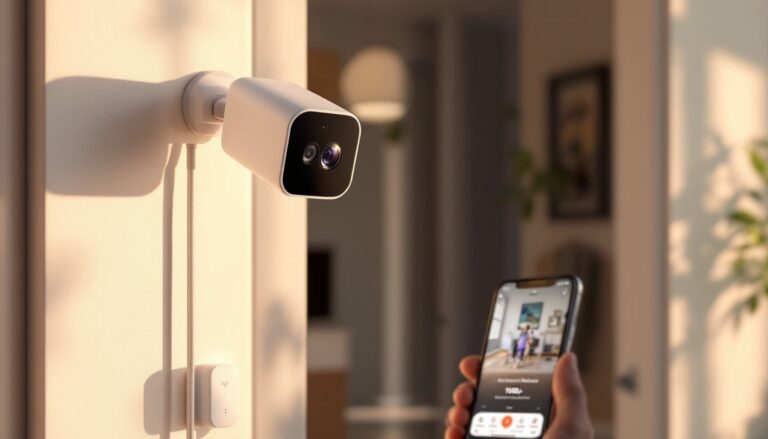
Devices like Ring, Nest Doorbell, and Eufy capture video of visitors and send alerts to smartphones. Homeowners can see and speak with anyone at their door from anywhere. Package theft drops significantly when delivery drivers know they’re being recorded.
Indoor and Outdoor Cameras
Smart cameras provide 24/7 monitoring with features like:
- Motion detection with customizable zones
- Night vision for low-light recording
- Two-way audio for communication
- Cloud or local storage options
Many cameras now include AI-powered features that distinguish between people, animals, and vehicles. This reduces false alerts from passing cars or neighborhood cats.
Smart Locks and Sensors
Smart locks eliminate the need for physical keys. Users can unlock doors with codes, fingerprints, or smartphone apps. They can also grant temporary access to guests or service workers.
Door and window sensors complete the security picture. They alert homeowners when entry points open unexpectedly and integrate with other smart home tech ideas like lights that flash during alerts.
These systems put control in the homeowner’s hands. No monthly fees required for basic functionality, though optional professional monitoring services exist for those who want them.
Climate Control and Energy Management
Smart thermostats stand out as some of the most cost-effective smart home tech ideas available. They learn household patterns and adjust heating and cooling automatically, often paying for themselves within a year through energy savings.
Smart Thermostat Benefits
Learning capabilities mean devices like the Nest Learning Thermostat or Ecobee track when residents are home, asleep, or away. They adjust temperatures accordingly without manual programming.
Remote control through smartphone apps lets users change settings from anywhere. Forgot to turn down the AC before leaving for vacation? No problem.
Energy reports show exactly how much energy the household uses and where savings opportunities exist. Many utility companies offer rebates for smart thermostat installation.
Beyond Thermostats
Smart plugs turn any device into a connected one. They monitor energy usage and let users cut power to electronics that drain energy while idle. A smart plug can show exactly how much that old space heater costs to run.
Smart ceiling fans adjust speed based on room temperature and occupancy. They work with thermostats to improve overall climate efficiency.
These smart home tech ideas address real household costs. The Department of Energy estimates that heating and cooling account for about 50% of home energy use. Smart climate control can reduce that significantly.
Entertainment and Convenience Upgrades
Beyond security and efficiency, smart home tech ideas extend into entertainment and daily convenience. These upgrades make everyday tasks easier and home relaxation more enjoyable.
Streaming and Audio
Multi-room audio systems like Sonos and Amazon Echo allow music to follow users throughout the home. Someone can start a podcast in the kitchen and continue listening in the living room without interruption.
Smart TVs with built-in streaming platforms have become standard. Voice control through connected assistants makes finding content faster than scrolling through menus.
Kitchen and Appliance Automation
Smart kitchen appliances include:
- Smart coffee makers that brew on schedule or voice command
- Connected refrigerators with cameras to check contents remotely
- Smart ovens with remote preheating and recipe guidance
- Robot vacuums that clean on schedules and return to charging stations automatically
These devices save time on routine tasks. A robot vacuum running daily means less weekend cleaning. A coffee maker that starts brewing at 6:30 AM makes mornings smoother.
Automated Routines
The real power of smart home tech ideas emerges when devices work together. A “good morning” routine might:
- Turn on bedroom lights gradually
- Start the coffee maker
- Read the day’s weather and calendar
- Adjust the thermostat
A “leaving home” routine could lock doors, arm security systems, turn off lights, and lower the thermostat, all triggered by a single voice command or automatically when phones leave the home’s geofence.