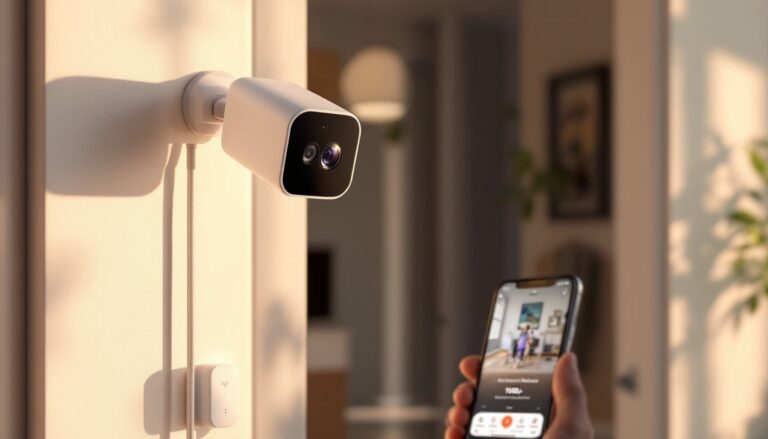
Smart home tech tips can transform a cluttered collection of gadgets into a seamless living experience. The average household now owns more than 20 connected devices, yet many users barely scratch the surface of what these tools can do. Smart speakers sit idle. Thermostats run on default settings. Security cameras collect dust in their original packaging.
This guide cuts through the confusion. It offers practical advice for building a smart home that actually works, one that saves time, reduces energy costs, and makes daily routines easier. Whether someone is just starting out or looking to optimize an existing setup, these smart home tech tips will help them get more value from their connected devices.
Table of Contents
ToggleKey Takeaways
- Choose a central hub like Alexa, Google Home, or Apple HomeKit to avoid compatibility issues and app clutter.
- Protect your smart home by changing default passwords, enabling two-factor authentication, and using a separate Wi-Fi network for devices.
- Create automated routines for morning, away mode, and entertainment to save an average of 30 minutes daily on routine tasks.
- Upgrade to a Wi-Fi 6 router or mesh system to ensure reliable connectivity across all your smart home devices.
- Start small with one or two devices, then expand gradually as you learn what smart home tech tips work best for your lifestyle.
- A simple 30-second power cycle fixes most smart home connectivity problems about 70% of the time.
Start With a Central Hub or Ecosystem
The biggest mistake new smart home users make is buying devices from too many different brands. A random mix of products often leads to compatibility headaches and multiple apps cluttering up phones.
A central hub or ecosystem solves this problem. The three major options are Amazon Alexa, Google Home, and Apple HomeKit. Each has strengths:
- Amazon Alexa offers the widest device compatibility and most affordable entry points
- Google Home excels at voice recognition and integrates well with Android devices
- Apple HomeKit provides stronger privacy controls and works seamlessly with iPhones and iPads
Before purchasing any smart home device, buyers should check compatibility with their chosen ecosystem. Most product listings clearly state which platforms they support.
Another smart home tech tip: start small. Begin with one or two devices, perhaps a smart speaker and smart plugs. Learn how these work together before expanding. This approach prevents buyer’s remorse and helps users understand what they actually need versus what marketing tells them they want.
Prioritize Security and Privacy Settings
Connected devices create potential entry points for hackers. A 2024 study found that the average smart home experiences over 12,000 hacking attempts per week. Most of these fail, but only if users follow basic security practices.
These smart home tech tips protect against common threats:
Change default passwords immediately. Many devices ship with generic passwords like “admin” or “1234.” Hackers know these defaults and target them first. Create unique, strong passwords for every device.
Enable two-factor authentication. Most major smart home platforms now offer this feature. It adds an extra verification step that blocks unauthorized access even if someone steals a password.
Update firmware regularly. Manufacturers release updates to patch security vulnerabilities. Enable automatic updates when available, or set a monthly reminder to check manually.
Create a separate Wi-Fi network. Many routers allow users to set up a guest network. Putting smart home devices on this separate network isolates them from computers and phones that contain sensitive personal data.
Review privacy settings. Smart speakers and cameras often record more than users realize. Check app settings to limit data collection and delete stored recordings periodically.
Automate Routines for Maximum Efficiency
Automation turns a collection of smart devices into an intelligent system. Instead of manually controlling each gadget, users can create routines that trigger actions automatically.
Most smart home platforms support “scenes” or “routines.” These are preset commands that activate multiple devices at once. Here are practical examples:
Morning routine: At 6:30 AM, the lights gradually brighten, the thermostat adjusts to a comfortable temperature, and the coffee maker starts brewing. One command, or no command at all, handles everything.
Away mode: When the last family member leaves home, the system locks doors, turns off lights, adjusts the thermostat to save energy, and activates security cameras.
Movie night: Dim the living room lights to 20%, lower the blinds, and turn on the TV with a single voice command.
These smart home tech tips for automation save real time. Studies show that well-configured smart homes save their owners an average of 30 minutes daily on routine tasks.
Start with simple automations and add complexity gradually. Most apps provide templates that users can customize. Motion sensors, door contacts, and smart plugs expand automation possibilities without major investment.
Optimize Your Wi-Fi Network for Connected Devices
A slow or unreliable Wi-Fi network undermines every smart home device. Many frustrating issues, unresponsive speakers, laggy cameras, dropped connections, trace back to network problems.
These smart home tech tips strengthen network performance:
Upgrade your router. Routers more than three years old often struggle with modern device loads. Wi-Fi 6 routers handle multiple connections more efficiently and offer better range.
Consider a mesh system. Large homes or those with thick walls benefit from mesh Wi-Fi systems. These use multiple access points to eliminate dead zones and provide consistent coverage throughout the house.
Position the router centrally. Wi-Fi signals radiate outward from the router. Placing it in a corner of the house leaves distant rooms with weak signals. A central location provides more even coverage.
Use the right frequency band. Most routers broadcast on both 2.4 GHz and 5 GHz bands. The 2.4 GHz band offers better range but slower speeds. The 5 GHz band is faster but covers less distance. Smart home devices that don’t need high bandwidth, like sensors and plugs, work fine on 2.4 GHz, leaving the 5 GHz band clear for streaming and gaming.
Monitor connected devices. Most router apps show all connected devices. Remove unknown devices and disconnect anything no longer in use. Fewer devices mean more bandwidth for the ones that matter.
Troubleshooting Common Smart Home Issues
Even well-designed smart home setups encounter problems. These smart home tech tips address the most frequent issues:
Device won’t respond to voice commands:
- Check that the device is online in its app
- Verify the device name hasn’t been changed
- Restart the smart speaker and the unresponsive device
- Ensure both devices are on the same network
Automation doesn’t trigger:
- Confirm the automation is enabled (easy to accidentally disable)
- Check time zone settings in the app
- Review trigger conditions, sometimes small changes break routines
- Test each device individually to isolate the problem
Device disconnects frequently:
- Move the device closer to the router or add a mesh node
- Check for interference from microwaves, baby monitors, or cordless phones
- Update the device’s firmware
- Replace batteries in battery-powered devices
App runs slowly or crashes:
- Clear the app’s cache
- Reinstall the app
- Check for software updates on the phone or tablet
A power cycle fixes most smart home problems. Unplug the device for 30 seconds, then plug it back in. This simple step resolves connectivity issues about 70% of the time.