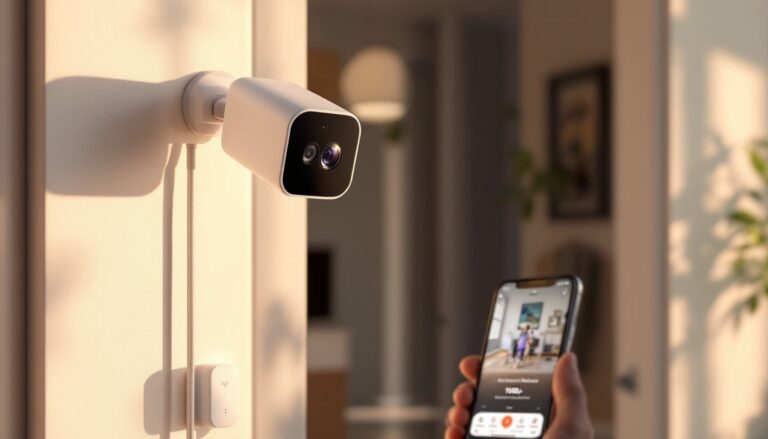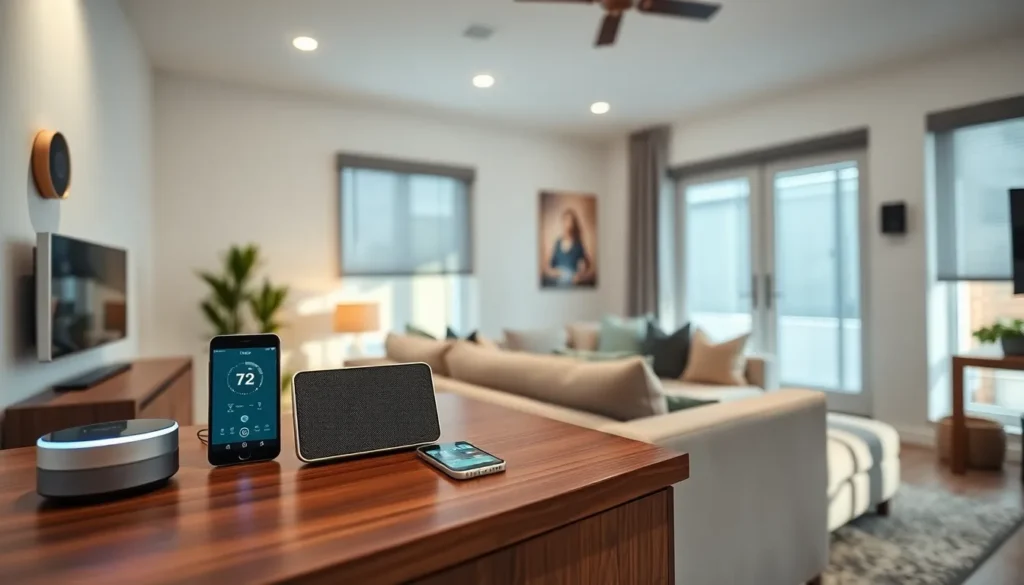
Smart home tech tools have transformed how people interact with their living spaces. These devices automate everyday tasks, improve energy efficiency, and add convenience to daily routines. From voice-controlled assistants to automated lighting systems, modern homes can now respond to commands, learn preferences, and operate with minimal effort from their owners.
The market for smart home technology continues to grow rapidly. Experts project it will exceed $300 billion globally by 2027. This growth reflects a clear shift in consumer expectations. Homeowners want devices that save time, reduce utility bills, and provide peace of mind through enhanced security. Whether someone is building a new home or upgrading an existing space, smart home tech tools offer practical solutions for modern living.
Table of Contents
ToggleKey Takeaways
- Smart home tech tools automate daily tasks, improve energy efficiency, and provide remote control of your living space from anywhere.
- Start with a smart speaker ($30–100) as your foundation, then gradually add devices like smart bulbs, thermostats, or video doorbells.
- Smart thermostats can reduce heating and cooling costs by 10–15% annually and typically pay for themselves within two years.
- Choose your ecosystem wisely—Amazon Alexa offers the widest compatibility, Google Home excels at voice recognition, and Apple HomeKit prioritizes privacy.
- The new Matter standard allows smart home tech tools to work across all major platforms, reducing ecosystem lock-in for future purchases.
- Prioritize network security by changing default passwords, enabling two-factor authentication, and keeping device firmware updated.
What Makes a Home Smart
A smart home uses internet-connected devices to automate and control various household functions. These smart home tech tools communicate with each other through Wi-Fi, Bluetooth, or dedicated protocols like Zigbee and Z-Wave. The result is a connected ecosystem where lights, thermostats, locks, and appliances work together seamlessly.
Three core elements define a smart home:
- Connectivity: Devices connect to the internet and communicate with each other
- Automation: Systems perform tasks automatically based on schedules or triggers
- Remote control: Users manage their home from anywhere using smartphone apps
The “smart” aspect comes from these devices learning user habits over time. A smart thermostat, for example, tracks when residents leave for work and adjusts the temperature accordingly. Smart lighting can mimic natural daylight patterns to support better sleep. This intelligence separates smart home tech tools from simple remote-controlled gadgets.
Most smart homes rely on a central hub or voice assistant to coordinate everything. This hub acts as the brain of the system. It receives commands and distributes them to the appropriate devices. Some homeowners prefer a single brand ecosystem, while others mix products from different manufacturers.
Top Smart Home Categories Worth Exploring
Smart home tech tools span dozens of categories, but three stand out for their immediate impact on daily life. These categories offer the best combination of convenience, energy savings, and practical value.
Smart Speakers and Voice Assistants
Voice assistants serve as the command center for most smart homes. Amazon Alexa, Google Assistant, and Apple Siri power millions of devices worldwide. Users can ask questions, set reminders, play music, and control other smart devices, all through voice commands.
Popular smart speakers include:
- Amazon Echo (various sizes and price points)
- Google Nest Audio and Nest Hub
- Apple HomePod and HomePod Mini
- Sonos Era with voice assistant integration
These devices improve with each software update. They now recognize individual voices, support multiple languages, and integrate with thousands of third-party services. For many households, a smart speaker becomes the first smart home tech tool they purchase.
Smart Lighting and Climate Control
Lighting represents one of the easiest entry points into smart home technology. Smart bulbs from brands like Philips Hue, LIFX, and Wyze screw into existing fixtures. They offer dimming, color changes, and scheduling without any rewiring.
Smart thermostats deliver measurable savings on energy bills. The Nest Learning Thermostat, Ecobee, and Honeywell Home models can reduce heating and cooling costs by 10-15% annually. These devices learn household patterns and adjust temperatures automatically.
Climate control extends beyond thermostats. Smart ceiling fans, window shades, and air quality monitors all contribute to a comfortable living environment. Together, these smart home tech tools create spaces that adapt to changing conditions throughout the day.
Security and Monitoring Devices
Home security has advanced significantly with smart technology. Video doorbells from Ring, Nest, and Eufy let homeowners see visitors from anywhere. Smart locks eliminate the need for physical keys and provide entry logs.
Comprehensive security systems now include:
- Indoor and outdoor cameras with cloud storage
- Motion sensors and door/window contacts
- Water leak detectors
- Smoke and carbon monoxide monitors with smartphone alerts
These smart home tech tools provide peace of mind whether someone is at home or traveling. Many systems offer professional monitoring for an additional monthly fee, though self-monitoring works well for budget-conscious users.
Choosing the Right Ecosystem for Your Needs
The ecosystem decision affects every future purchase. Three major platforms dominate the smart home market: Amazon Alexa, Google Home, and Apple HomeKit. Each has strengths and limitations.
Amazon Alexa offers the widest device compatibility. Thousands of products work with Alexa, from budget brands to premium options. The platform excels at shopping integration and skills development.
Google Home provides superior search capabilities and natural language processing. It integrates well with Android phones and Google services like Calendar and Gmail. Google’s smart home tech tools often feature slightly better voice recognition.
Apple HomeKit prioritizes privacy and security. All devices meet strict Apple certification requirements. The ecosystem works seamlessly with iPhones, iPads, and Macs. But, fewer products support HomeKit compared to the other platforms.
The new Matter standard promises to bridge these ecosystems. Launched in late 2022, Matter allows devices to work across all major platforms. This development means future smart home tech tools won’t lock buyers into a single ecosystem.
When choosing a platform, consider these factors:
- Which smartphone does the household primarily use?
- Are existing devices already tied to a specific ecosystem?
- How important is privacy versus maximum compatibility?
- What’s the budget for building out the smart home?
Getting Started With Smart Home Technology
Starting a smart home doesn’t require a massive investment. A gradual approach works best for most households. Begin with one or two smart home tech tools that address specific needs.
The recommended starting point for most people is a smart speaker. At $30-100, these devices provide immediate value and serve as the foundation for future additions. Pair the speaker with a few smart bulbs or plugs to experience automation firsthand.
Next steps might include:
- A smart thermostat (typically pays for itself through energy savings within two years)
- A video doorbell for package and visitor monitoring
- Smart plugs to control existing appliances and lamps
Avoid the temptation to buy everything at once. Smart home tech tools require setup time and learning curves. Adding devices gradually allows users to understand each product before introducing more complexity.
Network infrastructure matters too. A reliable Wi-Fi router with good coverage prevents frustrating connectivity issues. Many smart home enthusiasts upgrade to mesh Wi-Fi systems like Eero, Google Wifi, or Netgear Orbi to eliminate dead zones.
Security deserves attention from the start. Change default passwords on all devices. Enable two-factor authentication where available. Keep firmware updated to patch vulnerabilities. These basic practices protect both privacy and device functionality.