Smart home tech trends 2026 point toward a major shift in how people interact with their living spaces. Homes are getting smarter, more efficient, and easier to control. AI systems now learn household routines without constant input. Devices from different brands finally talk to each other. Energy costs drop as homes manage power on their own. Security systems protect privacy while keeping families safe.
This year brings real, practical upgrades, not just flashy gadgets. Homeowners can expect technology that works quietly in the background, making daily life smoother. Here’s what the smart home landscape looks like in 2026.
Table of Contents
ToggleKey Takeaways
- Smart home tech trends 2026 focus on AI systems that predict your needs and automate routines without manual input.
- Matter 2.0 enables seamless device interoperability, letting homeowners mix products from Amazon, Apple, Google, and Samsung without compatibility issues.
- Advanced energy management features automatically optimize power usage based on weather, electricity rates, and solar panel output to reduce costs.
- On-device AI processing keeps your data local, delivering faster responses and stronger privacy protection for security cameras and voice assistants.
- Smart appliances now offer predictive maintenance, alerting you to potential failures weeks before breakdowns occur.
- Enhanced security innovations include end-to-end encryption, local facial recognition, and AI-powered threat detection that learns your household’s normal activity patterns.
AI-Powered Home Automation Gets Smarter
Artificial intelligence sits at the center of smart home tech trends 2026. This year, AI systems move beyond simple voice commands and scheduled routines. They now predict what homeowners need before they ask.
Modern smart home hubs analyze patterns across weeks and months. They learn when someone wakes up, when they leave for work, and when they prefer the lights dimmed. The system adjusts heating, lighting, and entertainment automatically. No manual input required.
Generative AI also plays a bigger role. Voice assistants now hold actual conversations. They answer follow-up questions, remember context from earlier discussions, and offer suggestions based on past behavior. Ask about dinner, and the assistant might recommend recipes using ingredients already in the fridge.
On-device AI processing has improved significantly. Many smart home devices now handle complex tasks locally instead of sending data to cloud servers. This means faster responses and better privacy. A smart camera can identify a family member versus a stranger without uploading footage anywhere.
The 2026 smart home tech trends also include predictive maintenance. Smart appliances monitor their own performance. A washing machine might alert homeowners about a failing part weeks before it breaks down. This saves money and prevents unexpected disruptions.
AI integration extends to health monitoring too. Smart homes can track sleep patterns through mattress sensors, air quality through environmental monitors, and activity levels through motion detectors. The system compiles this data and offers actionable health insights.
The Rise of Matter and Seamless Device Interoperability
Device compatibility has frustrated smart home owners for years. Different brands used different protocols. Products from one manufacturer often refused to work with another’s ecosystem. That changes in 2026.
Matter, the universal smart home standard, reaches critical mass this year. Major manufacturers have adopted the protocol across their product lines. Amazon, Apple, Google, and Samsung devices now communicate through a shared language. Buyers can mix and match products without worrying about compatibility.
This shift represents one of the most important smart home tech trends 2026 has delivered. Homeowners no longer need to commit to a single ecosystem. They can choose the best thermostat from one brand, the best lights from another, and the best speakers from a third. Everything still works together.
Matter 2.0 brings additional device categories into the fold. Cameras, robot vacuums, and major appliances now support the standard. Energy management devices and EV chargers join the party too. The smart home ecosystem feels complete for the first time.
Thread, the mesh networking protocol that underlies Matter, has also matured. Smart devices create their own low-power network throughout the home. If one device fails, others route around it. This creates a more reliable smart home experience with fewer dead zones.
Setup processes have simplified dramatically. New devices detect the home network automatically. They configure themselves with minimal user intervention. The days of lengthy pairing procedures and troubleshooting connectivity issues are fading.
Energy Management and Sustainability Features
Energy costs remain a concern for most households. Smart home tech trends 2026 address this directly with advanced power management features.
Smart thermostats have evolved beyond simple scheduling. They now factor in weather forecasts, electricity pricing, and solar panel output. The system pre-cools a home during cheap afternoon rates, then coasts through expensive evening peak hours. Homeowners save money without sacrificing comfort.
Solar panel integration has become standard in smart home platforms. Dashboards show real-time generation, consumption, and grid export data. The system automatically diverts excess solar power to charge EVs, run appliances, or store energy in home batteries.
Virtual power plants represent an emerging trend. Utility companies partner with smart home owners to form distributed energy networks. During grid stress, participating homes reduce consumption or discharge stored power. Homeowners earn credits on their electricity bills.
Water management joins the smart home ecosystem in 2026. Leak sensors have existed for years, but new systems monitor total household water usage. They identify inefficient fixtures, detect unusual consumption patterns, and suggest conservation strategies.
Smart home tech trends 2026 also emphasize carbon tracking. Some platforms now calculate a household’s carbon footprint based on energy usage, travel patterns, and purchasing habits. They recommend specific actions to reduce environmental impact.
Appliance scheduling has grown more sophisticated. Dishwashers, dryers, and water heaters can delay their cycles until electricity rates drop or solar panels generate excess power. This happens automatically without homeowner involvement.
Enhanced Security and Privacy Innovations
Security remains a top priority in smart home tech trends 2026. But this year brings a new emphasis: protecting privacy alongside physical safety.
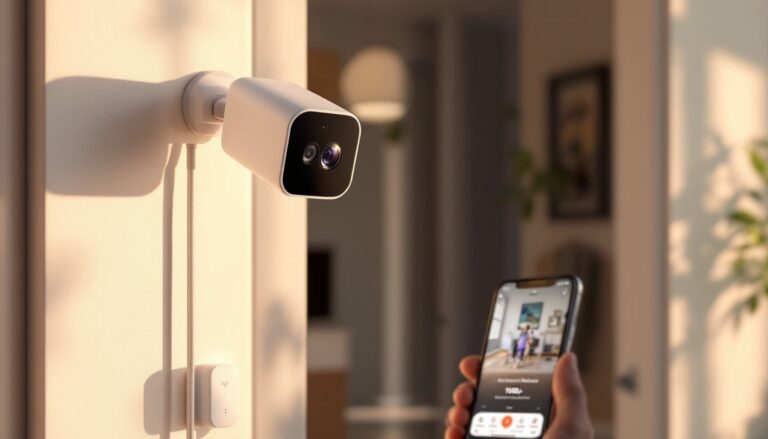
Local processing powers many security advances. Smart cameras now run facial recognition, package detection, and vehicle identification entirely on-device. Footage stays within the home unless the owner explicitly shares it. This addresses long-standing concerns about cloud-stored video.
End-to-end encryption has become standard across major platforms. Communications between devices, hubs, and apps remain private. Even the manufacturers cannot access the data flowing through their products.
Smart locks have gained new capabilities. They recognize authorized users through multiple methods: fingerprints, face recognition, smartphone proximity, and voice patterns. Temporary access codes work for delivery drivers or guests, then expire automatically.
AI-powered threat detection identifies unusual activity patterns. The system learns what normal looks like for each household. A person walking through the backyard at 3 AM triggers an alert. The same motion at 3 PM does not.
Privacy controls have improved significantly. Homeowners can now set granular permissions for each device. A smart speaker might listen for wake words but delete all recordings immediately after processing. Cameras can exclude certain zones from recording entirely.
Smart home tech trends 2026 also address network security. Built-in firewalls protect IoT devices from external attacks. Automatic firmware updates patch vulnerabilities quickly. Some systems isolate smart devices on separate network segments to limit breach exposure.