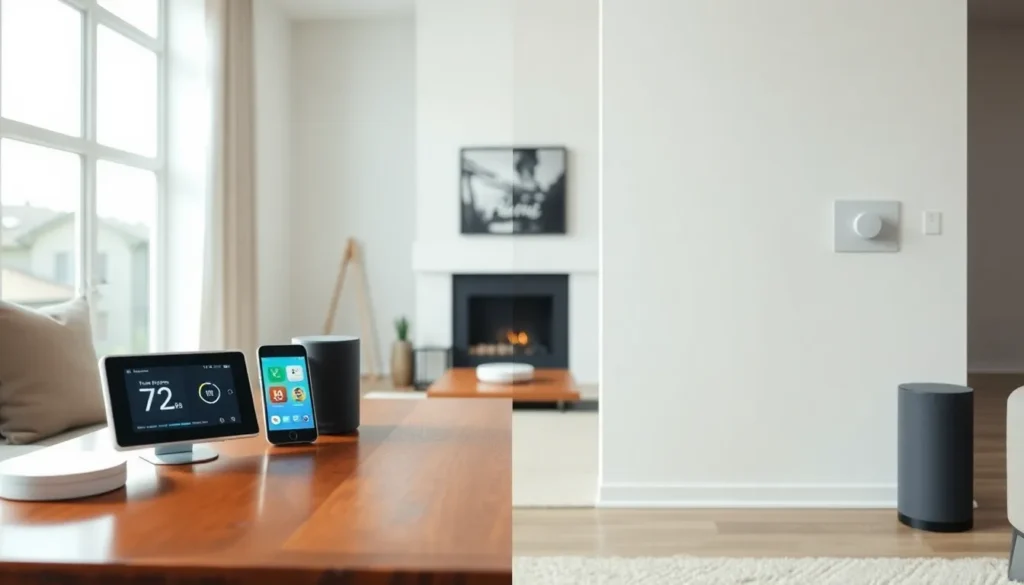
Smart home tech vs traditional home systems represents one of the biggest decisions homeowners face today. The choice affects daily routines, energy bills, and long-term property value. Smart devices offer automation and remote control. Traditional systems provide simplicity and reliability. Both options have clear strengths and weaknesses. This guide breaks down the key differences, costs, and practical considerations. By the end, readers will know which approach fits their needs and budget.
Table of Contents
ToggleKey Takeaways
- Smart home tech offers automation, remote access, and energy savings of 10-15% on heating and cooling costs.
- Traditional home systems provide superior reliability, simplicity, and longer lifespans of 20-30 years with lower repair costs.
- Smart home tech vs traditional systems differs most in connectivity—smart devices communicate together while traditional ones operate independently.
- Upfront costs for smart devices run 3-5 times higher than traditional alternatives, but energy savings can offset this over time.
- A hybrid approach combining smart thermostats and doorbells with traditional switches offers the best balance of automation and simplicity.
- Start with one smart device like a thermostat to test whether the technology fits your household before expanding.
What Makes Smart Home Technology Different
Smart home technology connects devices through WiFi, Bluetooth, or dedicated hubs. Users control lights, thermostats, locks, and cameras from smartphones or voice assistants. This connectivity creates a unified system where devices communicate with each other.
Traditional home systems operate independently. A thermostat controls temperature. A light switch controls lights. Each device performs one function without connecting to other systems.
The core difference lies in automation. Smart home tech learns patterns and adjusts settings automatically. A smart thermostat tracks when residents leave for work and lowers heating. Smart lights dim at bedtime without manual input. Traditional systems require hands-on control for every adjustment.
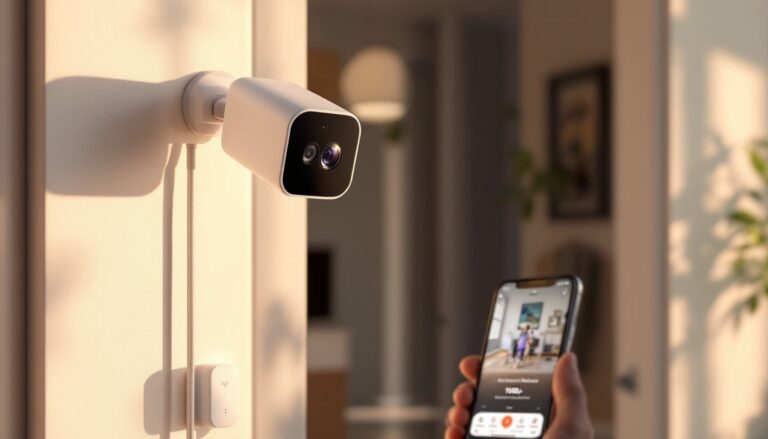
Remote access separates smart home tech from conventional setups. Homeowners check security cameras from work. They unlock doors for guests while traveling. They receive alerts when motion sensors detect activity. Traditional systems offer none of these features.
Smart home tech vs traditional approaches also differs in updates. Smart devices receive software improvements over time. They gain new features without hardware replacement. Traditional systems stay fixed until physical replacement occurs.
Pros and Cons of Smart Home Devices
Smart home devices deliver several clear benefits. Energy savings rank among the top advantages. Smart thermostats reduce heating and cooling costs by 10-15% according to EPA estimates. Smart lighting eliminates waste from forgotten bulbs.
Benefits of Smart Home Tech
- Convenience: Voice commands and app control simplify daily tasks
- Energy efficiency: Automated systems reduce utility bills
- Security: Real-time alerts and remote monitoring increase safety
- Accessibility: Smart devices help elderly and disabled residents maintain independence
- Property value: Smart features appeal to modern buyers
Drawbacks to Consider
Smart home tech comes with downsides. Internet dependency creates vulnerability. When WiFi fails, smart devices may stop working properly. Privacy concerns exist around data collection. Some devices record audio or video continuously.
Technical issues frustrate many users. Software bugs cause malfunctions. Compatibility problems arise between different brands. Devices become obsolete when manufacturers stop supporting them.
The learning curve challenges less tech-savvy homeowners. Setup requires patience. Troubleshooting demands basic technical knowledge. Some users never feel comfortable with app-based controls.
Cybersecurity risks affect smart home tech. Hackers target connected devices. Weak passwords or outdated firmware create entry points. Users must maintain security practices to protect their networks.
Advantages of Traditional Home Systems
Traditional home systems offer benefits that smart alternatives can’t match. Reliability stands out as the primary advantage. A manual light switch works without internet, apps, or electricity beyond the bulb itself. Traditional thermostats function during power outages with battery backup.
Simplicity appeals to many homeowners. No accounts to create. No apps to download. No passwords to remember. Guests understand traditional controls immediately. Children operate them safely.
Longevity makes traditional systems cost-effective over time. A quality manual thermostat lasts 20-30 years. Traditional door locks function for decades with minimal maintenance. Smart devices often require replacement every 5-7 years as technology advances.
Privacy remains intact with traditional systems. No data collection occurs. No company tracks usage patterns. No microphones listen for wake words. Homeowners who value privacy find comfort in disconnected devices.
Repair costs stay lower with traditional equipment. Local contractors fix conventional systems easily. Parts remain available for years. Smart device repairs often require manufacturer involvement or complete replacement.
Traditional systems suit certain property types better. Rental units benefit from simple controls that tenants understand. Vacation homes in areas with poor internet need reliable offline systems. Older buildings with outdated wiring may struggle to support smart home tech.
Cost Comparison and Long-Term Value
Smart home tech vs traditional systems shows significant cost differences. Initial investment for smart devices runs higher. A smart thermostat costs $150-$300. A basic programmable thermostat costs $25-$50. Smart locks range from $150-$400. Traditional deadbolts cost $30-$100.
Upfront Costs
| Device Type | Smart Version | Traditional Version |
|---|---|---|
| Thermostat | $150-$300 | $25-$50 |
| Door Lock | $150-$400 | $30-$100 |
| Doorbell | $100-$350 | $20-$50 |
| Light Switch | $30-$65 | $3-$15 |
Long-term value calculations favor smart home tech in some cases. Energy savings offset higher purchase prices over 3-5 years. Insurance companies offer discounts for smart security systems. Property values increase with smart features installed.
Hidden costs affect smart home tech budgets. Monthly subscriptions for cloud storage add up. Professional installation fees apply for complex setups. Hub devices sometimes require separate purchases. Replacement batteries for wireless sensors create ongoing expenses.
Traditional systems win on predictability. Costs stay fixed after installation. No subscription fees apply. Repairs use standard parts at standard prices. Budgeting remains straightforward.
The smart home tech vs traditional debate often comes down to timeline. Homeowners planning to stay 10+ years may benefit from smart investments. Those planning shorter stays might prefer traditional systems that require less upfront spending.
Making the Right Choice for Your Lifestyle
The smart home tech vs traditional decision depends on individual circumstances. Several factors guide this choice.
Tech comfort level matters. People who enjoy gadgets and troubleshooting adapt well to smart devices. Those who prefer “set it and forget it” solutions may find traditional systems less stressful.
Internet reliability plays a role. Rural areas with spotty connectivity make smart home tech less practical. Urban homes with fiber internet support smart devices reliably.
Household composition affects the decision. Families with young children benefit from smart safety features. Households with elderly residents may prefer familiar traditional controls, or may find voice-activated smart devices helpful for accessibility.
Budget constraints shape options. Tight budgets favor traditional systems initially. Homeowners with flexibility can invest in smart home tech for long-term savings.
Property plans influence the choice. Rental property owners often stick with traditional systems for simplicity. Homeowners building long-term equity may prefer smart upgrades.
A hybrid approach works for many households. Smart thermostats and doorbells provide high-value automation. Traditional switches and locks handle less critical functions. This mix captures smart benefits while limiting complexity and cost.
Start small when testing smart home tech. A single smart speaker or thermostat reveals whether the technology suits a household. Expansion follows naturally if the experience proves positive.