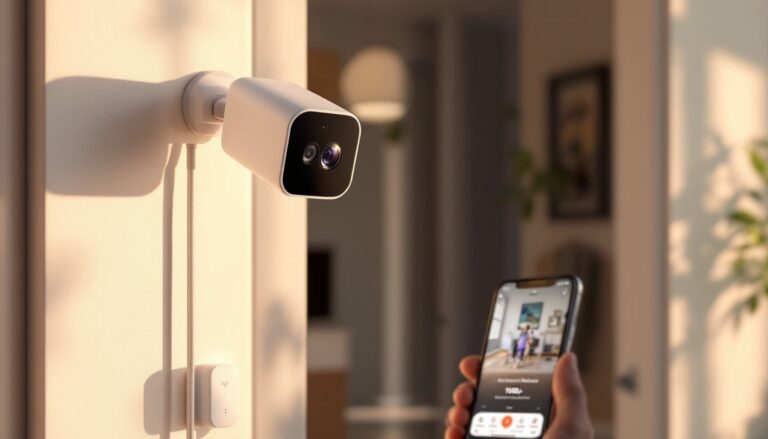
Smart home tech has transformed how people interact with their living spaces. Devices now communicate, automate tasks, and respond to voice commands. This technology connects lights, thermostats, security systems, and appliances through a central network. Homeowners can control their entire house from a smartphone or voice assistant.
The smart home market continues to grow rapidly. More than 60 million U.S. households currently use at least one smart home device. This guide explains what smart home tech is, which devices matter most, and how beginners can start building a connected home.
Table of Contents
ToggleKey Takeaways
- Smart home tech connects devices like lights, thermostats, and security systems through a central network, enabling control via smartphone or voice assistant.
- Over 60 million U.S. households use at least one smart home device, making it a rapidly growing market.
- Start small by choosing one ecosystem (Alexa, Google, or Apple) and adding a smart speaker and plug for under $50.
- Smart thermostats can reduce energy bills by 10-15% annually and typically pay for themselves within two years.
- Always verify device compatibility with your chosen platform before purchasing to avoid frustration and maximize automation potential.
- Secure your smart home network with strong passwords, two-factor authentication, and regular firmware updates.
What Is Smart Home Technology?
Smart home technology refers to devices and systems that connect to the internet and communicate with each other. These devices use Wi-Fi, Bluetooth, Zigbee, or Z-Wave protocols to share data and receive commands. Users control them through apps, voice assistants, or automated schedules.
A smart home ecosystem typically includes a central hub or controller. This hub acts as the brain of the system. It coordinates communication between devices and enables automation routines. Some popular hubs include Amazon Echo, Google Nest Hub, and Apple HomePod.
Smart home tech works through three basic components:
- Sensors detect changes in the environment (motion, temperature, light)
- Controllers process information and send commands
- Actuators perform physical actions (turning on lights, adjusting thermostats)
The real power of smart home tech comes from integration. When devices work together, they create automated responses. A motion sensor can trigger lights to turn on. A door lock can signal the thermostat to adjust temperature. These connections make homes more efficient and responsive.
Essential Smart Home Devices to Consider
Building a smart home starts with choosing the right devices. Some categories offer more value for beginners than others. Here are the essential smart home tech products worth considering.
Voice Assistants and Smart Speakers
Voice assistants serve as the command center for most smart homes. Amazon Alexa, Google Assistant, and Apple Siri lead this category. Each platform offers different strengths.
Amazon Alexa supports over 100,000 smart home devices. It offers the widest compatibility. Google Assistant excels at answering questions and integrating with Google services. Apple’s Siri provides strong privacy protections and works seamlessly with other Apple products.
Smart speakers range from $30 entry-level models to $300 premium options. The Amazon Echo Dot and Google Nest Mini offer excellent starting points. They provide voice control, music streaming, and smart home management at affordable prices.
Smart Lighting and Climate Control
Smart lighting delivers immediate, visible benefits. Users can control lights remotely, set schedules, and adjust brightness or color. Philips Hue, LIFX, and Wyze offer popular options at various price points.
Smart bulbs typically cost $10-50 each. Smart switches cost $20-60 and control existing bulbs. For larger homes, smart switches often provide better value than replacing every bulb.
Smart thermostats represent another high-impact category. The Nest Learning Thermostat and Ecobee SmartThermostat learn household patterns and adjust automatically. These devices can reduce energy bills by 10-15% annually. They pay for themselves within two years for most households.
Climate control extends beyond thermostats. Smart ceiling fans, space heaters, and window AC units now connect to home networks. Users can create temperature zones and schedules throughout their homes.
Benefits of a Connected Home
Smart home tech offers practical advantages that extend beyond convenience. Here’s what connected living delivers.
Energy Savings
Automated systems reduce waste. Smart thermostats prevent heating or cooling empty rooms. Smart plugs cut phantom power from idle devices. Smart lighting turns off when rooms are vacant. The average smart home saves 10-25% on utility bills.
Enhanced Security
Smart cameras, doorbells, and locks provide real-time monitoring. Users receive alerts when motion is detected or doors open. Video doorbells let homeowners see and speak with visitors remotely. Smart locks eliminate the need for physical keys and enable temporary access codes for guests.
Daily Convenience
Voice commands replace manual tasks. “Hey Google, turn off the lights” saves trips across the house. Automated routines handle multiple actions at once. A “good night” command can lock doors, lower thermostats, and turn off all lights simultaneously.
Accessibility
Smart home tech helps people with mobility challenges or disabilities. Voice control removes the need for physical interaction with switches and buttons. Automated door locks and lights increase independence. These features benefit aging populations who want to stay in their homes longer.
Remote Monitoring
Travelers can check on their homes from anywhere. Smart cameras show live video feeds. Leak sensors detect water problems early. Smart smoke detectors send alerts to phones. This visibility provides peace of mind during extended absences.
How to Get Started With Smart Home Tech
Starting a smart home doesn’t require a large investment or technical expertise. Follow these steps to build a connected home gradually.
Step 1: Choose an Ecosystem
Pick one platform as your foundation. Amazon Alexa, Google Assistant, or Apple HomeKit each offer different strengths. Consider which devices you already own and which voice assistant feels most natural. Consistency across platforms simplifies setup and daily use.
Step 2: Start Small
Begin with one or two devices. A smart speaker and smart plug make excellent first purchases. This combination costs under $50 and demonstrates how smart home tech works. Users learn the basics before investing in more expensive equipment.
Step 3: Prioritize High-Impact Devices
Focus on devices that solve real problems. If forgetting to turn off lights is common, smart bulbs help. If energy bills seem high, a smart thermostat makes sense. If package theft is a concern, a video doorbell provides value.
Step 4: Check Compatibility
Before purchasing any smart home tech device, verify it works with your chosen ecosystem. Product packaging and websites list compatible platforms. Mixing incompatible devices creates frustration and limits automation options.
Step 5: Secure Your Network
Smart home devices require internet access. Use a strong Wi-Fi password and enable two-factor authentication on accounts. Consider creating a separate network for smart devices. Update firmware regularly to patch security vulnerabilities.
Step 6: Expand Gradually
Add devices as needs become clear. Most successful smart homes grow over time. This approach spreads costs and allows users to learn each device thoroughly before adding complexity.