Top smart home tech has changed how people live, work, and relax at home. From voice-controlled assistants to automated lighting, these devices offer convenience, energy savings, and better security. The global smart home market continues to grow as more households adopt connected devices. This guide covers the best smart home tech options available today. Readers will learn about smart speakers, lighting systems, thermostats, security cameras, and home automation hubs. Each category includes practical recommendations for upgrading any living space.
Table of Contents
ToggleKey Takeaways
- Top smart home tech includes smart speakers, lighting systems, thermostats, security cameras, and automation hubs that offer convenience, energy savings, and better security.
- Smart thermostats like Google Nest and Ecobee can reduce heating and cooling costs by 10-15% annually through learning algorithms and geofencing features.
- Smart lighting systems from brands like Philips Hue and WYZE provide energy savings, remote control, and voice assistant integration at various price points.
- Smart security devices including video doorbells, cameras, and smart locks enable remote monitoring and provide peace of mind for homeowners.
- Home automation hubs like SmartThings and Apple HomeKit connect devices from different brands, while the new Matter standard promises cross-platform compatibility.
- Automation routines combine multiple smart home actions into single triggers, such as adjusting lights, thermostats, and locks with one command.
Smart Speakers and Voice Assistants
Smart speakers serve as the central hub for many smart home setups. These devices respond to voice commands and control other connected gadgets throughout the house.
Amazon Echo devices remain popular choices for smart home tech enthusiasts. The Echo Dot offers an affordable entry point, while the Echo Show adds a touchscreen display for video calls and visual information. Alexa, Amazon’s voice assistant, supports thousands of compatible smart home devices.
Google Nest speakers provide excellent integration with Google services. The Nest Audio delivers impressive sound quality for music streaming. Google Assistant excels at answering questions and managing calendars. It also works smoothly with Android phones.
Apple HomePod speakers appeal to iPhone users. The HomePod mini costs less than the full-sized version but still delivers solid audio. Siri handles basic smart home controls and plays music from Apple Music subscribers.
Voice assistants can:
- Control lights, locks, and thermostats
- Play music and podcasts
- Set timers and reminders
- Answer questions instantly
- Make hands-free calls
Most smart speakers work with multiple smart home platforms. Buyers should consider which ecosystem matches their existing devices before purchasing.
Smart Lighting Systems
Smart lighting systems rank among the most practical smart home tech upgrades. They save energy, improve ambiance, and add convenience to daily routines.
Philips Hue leads the smart lighting market. The Hue system offers bulbs, light strips, and outdoor fixtures. Users can choose from millions of colors and set schedules through the app. The Hue Bridge connects up to 50 lights and enables advanced automations.
WYZE bulbs provide budget-friendly alternatives. A single WYZE bulb costs under $10 and connects directly to Wi-Fi. The app allows dimming and scheduling without extra hardware.
Lutron Caseta focuses on smart switches rather than bulbs. These switches replace existing wall switches and work with standard bulbs. The system requires a hub but offers excellent reliability.
Smart lighting benefits include:
- Remote control from anywhere via smartphone
- Scheduled on/off times for security
- Energy savings through dimming and automation
- Color changing for different moods
- Integration with voice assistants
Motion-activated smart lights work well in hallways and bathrooms. They turn on automatically when someone enters and shut off after a set period. This feature reduces energy waste and adds convenience during nighttime trips.
Smart Thermostats and Climate Control
Smart thermostats represent some of the most valuable smart home tech investments. They learn household patterns and adjust temperatures automatically to save money on utility bills.
The Google Nest Learning Thermostat adapts to user preferences over time. It tracks when people leave and return home, then adjusts accordingly. The device can reduce heating and cooling costs by 10-15% annually according to Nest’s data.
Ecobee thermostats include room sensors in the box. These sensors detect occupancy and temperature in different rooms. The system balances comfort across the entire home rather than just the thermostat location.
Honeywell Home T-series thermostats offer straightforward controls at lower prices. They lack some learning features but still provide smartphone control and scheduling.
Key smart thermostat features:
- Learning algorithms that adapt to schedules
- Geofencing that detects when residents leave or arrive
- Energy usage reports and recommendations
- Voice control through Alexa, Google, or Siri
- Humidity monitoring and control
Smart vents work alongside thermostats to direct airflow. Flair vents open and close automatically to balance temperatures between rooms. This pairing creates a more complete climate control system.
Installation typically takes 30 minutes for those comfortable with basic wiring. Many utility companies offer rebates on smart thermostat purchases, making the upgrade even more affordable.
Smart Security and Surveillance
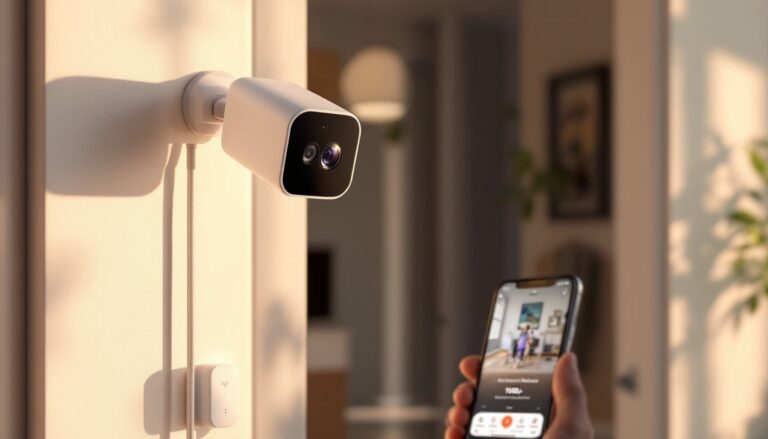
Smart security devices give homeowners peace of mind and remote monitoring capabilities. This category of smart home tech continues to improve with better cameras, sensors, and AI features.
Ring doorbells and cameras dominate the market. The Ring Video Doorbell shows visitors in real-time through the app. Motion detection sends alerts when someone approaches the door. Ring cameras work indoors and outdoors with various mounting options.
Arlo cameras offer wire-free installation and excellent video quality. The Arlo Pro 4 records in 2K resolution and includes a built-in spotlight. These cameras store footage in the cloud with a subscription plan.
Wyze cameras deliver impressive features at low prices. The Wyze Cam v3 costs around $35 and includes color night vision. Local storage works with microSD cards, avoiding monthly fees.
Smart locks add another security layer. August and Schlage make locks that work with existing deadbolts. Users can unlock doors remotely, create temporary access codes for guests, and receive alerts when doors open.
Smart security system components:
- Video doorbells with two-way audio
- Indoor and outdoor cameras
- Motion and door/window sensors
- Smart locks with keypad entry
- Sirens and alarm systems
Professional monitoring services from Ring, ADT, and others provide 24/7 response. Self-monitoring options work well for those who prefer handling alerts themselves.
Smart Appliances and Home Automation Hubs
Smart appliances and automation hubs tie everything together. These devices represent the next level of smart home tech adoption.
Samsung and LG manufacture smart refrigerators with touchscreens and cameras inside. Users can check contents remotely and receive expiration reminders. Smart ovens preheat on command and send notifications when cooking finishes.
Robot vacuums handle floor cleaning automatically. The iRobot Roomba series maps homes and avoids obstacles. Roborock and Ecovacs offer competitive models with mopping functions. These devices run on schedules or start with voice commands.
Smart plugs convert regular devices into connected ones. TP-Link Kasa and Wemo plugs let users control lamps, fans, and coffee makers through apps. Energy monitoring features track power consumption.
Home automation hubs connect devices from different brands:
| Hub | Best For | Key Feature |
|---|---|---|
| SmartThings | Versatility | Works with most brands |
| Apple HomeKit | iPhone users | Strong privacy focus |
| Home Assistant | Tech enthusiasts | Open-source flexibility |
| Hubitat | Local control | No cloud required |
Matter is a new smart home standard supported by Apple, Google, Amazon, and Samsung. Devices with Matter certification work across all major platforms. This standard will simplify smart home tech purchases in the future.
Automation routines combine multiple actions into single triggers. A “Good Morning” routine might turn on lights, adjust the thermostat, and start the coffee maker. A “Goodbye” routine could lock doors, arm security, and turn off all lights.