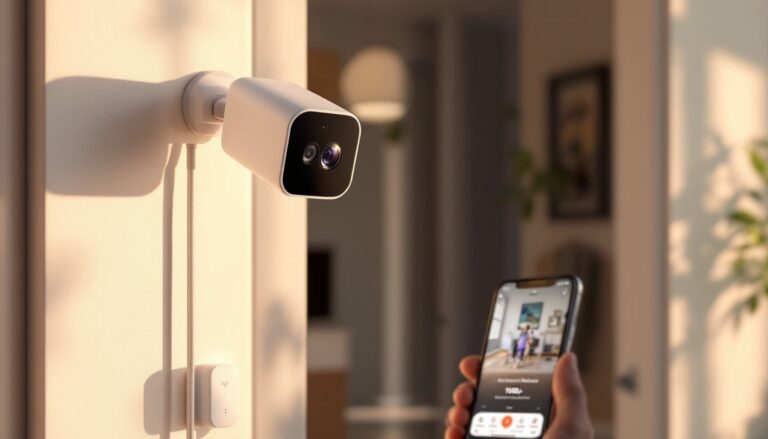
Smart home tech transforms ordinary houses into connected, automated living spaces. These devices communicate with each other and respond to voice commands, smartphone apps, or preset schedules. The result? Homes that adjust lighting, control temperature, and enhance security without manual effort.
For anyone new to this concept, smart home technology can seem overwhelming. But the basics are surprisingly simple. This guide breaks down how smart home tech works, the most popular device types, and the real benefits and drawbacks homeowners should know before investing.
Table of Contents
ToggleKey Takeaways
- Smart home tech uses connected devices, wireless networks, and control hubs to automate lighting, temperature, and security in your home.
- Popular smart home devices include voice assistants, smart thermostats, lighting systems, security cameras, and smart plugs.
- Smart thermostats can reduce heating and cooling costs by 10-15%, making energy efficiency a major benefit of smart home technology.
- Privacy risks, compatibility issues, and internet dependency are important drawbacks to consider before investing in smart home tech.
- Voice control and automation features make smart homes more accessible for elderly residents and those with mobility challenges.
- Start small with affordable devices like smart plugs or bulbs, then expand your smart home setup gradually to manage costs and the learning curve.
How Smart Home Technology Works
Smart home tech relies on three core components: devices, a network, and a control hub or app.
The devices themselves contain sensors, processors, and wireless connectivity. A smart thermostat, for example, includes temperature sensors and Wi-Fi capability. This allows it to send and receive data over a home network.
Most smart home devices connect through Wi-Fi, Bluetooth, Zigbee, or Z-Wave protocols. Wi-Fi offers the widest range and fastest speeds. Zigbee and Z-Wave use less power and work well for smaller devices like sensors and smart plugs.
A central hub or app ties everything together. Popular options include Amazon Alexa, Google Home, and Apple HomeKit. These platforms let users control multiple devices from one interface. They also enable automation, like turning off all lights when everyone leaves the house.
Smart home tech becomes truly powerful through automation rules. Users can create “routines” or “scenes” that trigger multiple actions at once. A “Good Morning” routine might raise the thermostat, turn on kitchen lights, and start the coffee maker. All from a single voice command or scheduled time.
Cloud connectivity adds another layer. Many smart home devices store data and process commands through remote servers. This enables access from anywhere with an internet connection. Users can check security cameras or adjust the thermostat from work or vacation.
Common Types of Smart Home Devices
Smart home tech spans dozens of product categories. Here are the most popular types beginners encounter:
Smart Speakers and Voice Assistants
Devices like Amazon Echo and Google Nest serve as the brain of many smart home setups. They respond to voice commands and control other connected devices. Many homeowners start their smart home journey here.
Smart Lighting
Smart bulbs and switches let users control lights remotely, set schedules, and adjust brightness or color. Philips Hue and LIFX are leading brands. Smart lighting is often the first purchase for those exploring smart home tech.
Smart Thermostats
Products like Nest and Ecobee learn household patterns and adjust temperatures automatically. They can reduce energy bills by heating or cooling only when needed. Many utility companies offer rebates for smart thermostat installation.
Smart Security Systems
This category includes video doorbells (Ring, Nest), security cameras, smart locks, and motion sensors. Users receive alerts on their phones when activity is detected. Some systems connect to professional monitoring services.
Smart Plugs and Outlets
These simple devices turn ordinary appliances into smart ones. Plug a lamp or fan into a smart plug, and it becomes controllable via app or voice. They’re affordable and require zero installation.
Smart Appliances
Refrigerators, ovens, washing machines, and vacuums now come with smart features. Robot vacuums like Roomba can be scheduled and controlled remotely. Smart refrigerators can track food inventory and suggest recipes.
Benefits of Smart Home Technology
Smart home tech delivers real advantages for daily life. Here’s what users consistently report:
Convenience and Time Savings
Automation handles repetitive tasks. Lights turn on at sunset. The thermostat adjusts before anyone wakes up. Voice commands replace manual switches and dials. These small conveniences add up to meaningful time savings.
Energy Efficiency
Smart thermostats alone can reduce heating and cooling costs by 10-15%, according to Energy Star data. Smart plugs eliminate phantom power drain by cutting electricity to devices not in use. Automated lighting ensures lights aren’t left on in empty rooms.
Enhanced Security
Smart home tech provides real-time visibility into what’s happening at home. Motion alerts, video footage, and remote lock control give homeowners peace of mind. Some insurance companies offer discounts for homes with smart security systems.
Accessibility
Voice control and automation make homes more accessible for elderly residents or those with mobility challenges. Turning on lights, adjusting temperature, or unlocking doors becomes effortless.
Remote Monitoring and Control
Forgot to lock the door? Left the garage open? Smart home tech allows users to check and fix these issues from anywhere. Parents can monitor when kids arrive home. Pet owners can watch their animals via indoor cameras.
Potential Drawbacks to Consider
Smart home tech isn’t perfect. Buyers should understand these limitations before investing:
Privacy and Security Concerns
Connected devices collect data. Voice assistants may record conversations. Cameras capture video footage. This information typically travels to company servers. Users must trust manufacturers to protect their data. Hackers have targeted smart home devices in the past.
Strong passwords, regular software updates, and secure Wi-Fi networks reduce these risks.
Compatibility Issues
Not all smart home devices work together. Some products only support Alexa. Others require Google Home or Apple HomeKit. Before purchasing, buyers should verify compatibility with their existing setup.
Reliability Depends on Internet
Most smart home tech requires a stable internet connection. When Wi-Fi goes down, many devices lose functionality. Power outages can also disrupt the entire system.
Cost Considerations
Quality smart home devices aren’t cheap. A full smart home setup, thermostat, lighting, security cameras, and hub, can cost several hundred to several thousand dollars. Some devices also require monthly subscriptions for full features.
Learning Curve
Setup and configuration take time. Creating effective automation rules requires trial and error. Older family members may struggle with new interfaces. Patience and gradual implementation help overcome these challenges.