Philadelphia’s historic homes and row houses are beautiful, but many of them have single-pane windows that leak heat, drive up energy bills, and let street noise pour in. Whether you’re looking to improve energy efficiency, boost curb appeal, or simply reduce drafts, window replacement is one of the most impactful upgrades a homeowner can make. This guide walks you through why Philadelphia homeowners should consider new windows, what types work best for the region’s climate, how to budget for the project, and how to find a reliable contractor to handle the installation. We’ll also cover what to expect during the actual replacement process so there are no surprises.
Table of Contents
ToggleKey Takeaways
- Window replacement in Philadelphia reduces heating and cooling costs by 10–15% while improving comfort, reducing drafts, and dampening street noise in dense neighborhoods.
- Choose vinyl, fiberglass, or wood frames based on your budget and maintenance preferences; prioritize NFRC-rated windows with a U-factor of 0.30–0.35 suited to the region’s freeze-thaw cycles.
- Plan to invest $4,000–$15,000 for a full-house window replacement project in Philadelphia, with ROI recovering 50–80% of costs through energy savings and 70–80% at resale.
- Hire only licensed, insured contractors with valid warranties (5–10 years on parts, 2–5 years on labor); avoid below-market bids and always compare at least three estimates.
- Expect the installation process to take 1–3 days; proper flashing and removal of damaged wood are critical on masonry homes to prevent costly water infiltration.
Why Philadelphia Homeowners Should Consider Window Replacement
Philadelphia’s humid summers and cold winters put constant stress on window frames and seals. Single-pane and older double-pane windows allow significant heat transfer, forcing your HVAC system to work harder and driving utility costs higher. Modern, energy-efficient windows with Low-E coatings and insulated frames can cut heating and cooling costs by 10–15%, which adds up quickly over a heating season.
Beyond energy savings, new windows improve comfort. Drafts disappear, condensation on interior panes decreases, and outside noise dampens noticeably, a major benefit in dense neighborhoods. Many Philadelphia homeowners also find that updated windows refresh the look of aging exteriors and increase resale value. Building code upgrades matter too: if you’re replacing windows for any reason, modern installations must meet current egress (emergency exit) requirements, particularly for bedrooms, which some older windows don’t satisfy.
One honest caveat: not every window job is purely DIY-friendly. While some handy homeowners tackle single-window replacements, full-house jobs or structural modifications often require a licensed contractor and permits. Masonry homes, in particular, demand careful flashing to prevent water intrusion, a mistake that costs far more to fix later.
Types of Windows for Philadelphia Homes
Popular Materials and Styles
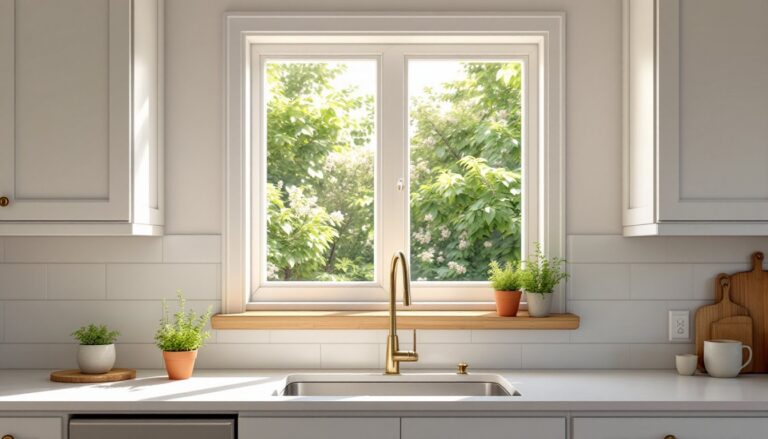
Philadelphia’s rowhouses and Victorian homes favor double-hung windows, the classic style with two operable sashes that slide vertically. These suit historic aesthetics and are practical for cleaning and ventilation. But, casement windows (side-hinged, crank-operated) offer better air sealing and superior outward appearance, especially in renovated or contemporary builds.
Frame Materials make a real difference. Vinyl frames are the most affordable, require minimal maintenance, and perform well in Philadelphia’s freeze-thaw cycles. Aluminum conducts cold easily, so it’s less ideal unless paired with a thermal break (insulating strip). Wood frames look period-correct on historic properties but demand regular painting and are vulnerable to rot, a significant commitment in a humid climate. Fiberglass blends durability, insulation value, and aesthetics, though it costs more upfront.
Glass Technology matters equally. Double-pane windows filled with argon gas and coated with Low-E films reduce radiant heat loss without blocking visible light. Triple-pane windows offer maximum insulation (crucial in cold climates) but may be overkill for Philadelphia unless you prioritize extreme energy efficiency. Tempered or laminated glass adds safety, especially on lower floors or near doors.
For Philadelphia specifically, look for windows rated for the local climate zone. The National Fenestration Rating Council (NFRC) label shows U-factor (insulation, lower is better), Solar Heat Gain Coefficient (SHGC, balance sun gain in winter, heat rejection in summer), and Air Leakage (AL, tightness). A U-factor around 0.30–0.35 and SHGC of 0.25–0.32 suits the region well.
Understanding Costs and ROI
Window replacement costs in Philadelphia vary widely. Single vinyl double-hung windows run $300–$800 per unit installed, while high-end fiberglass or wood can exceed $1,500 each. A typical 3-bedroom home with 10–15 windows might cost $4,000–$15,000 total, depending on frame material, glass upgrades, and labor.
Permits (usually required) add $50–$300 to the project. Removal and disposal of old windows cost extra, typically $100–$300 per window. Exterior finishing, caulking, trim replacement, or new siding integration, can push costs up. According to cost resources like HomeAdvisor, the range for mid-range installations in Pennsylvania falls between $5,000 and $12,000 for a full-house job.
Return on investment (ROI) is solid but not immediate. Energy savings typically recover 50–80% of the upfront cost within 20 years, and you’ll see monthly utility reductions right away. More importantly, replacing windows is among the top home upgrades buyers notice: many recover 70–80% of the cost at resale, depending on market conditions. Consult local Philadelphia window replacement cost breakdowns for current regional pricing, as material and labor costs fluctuate.
Finding the Right Contractor in Philadelphia
Hiring a skilled window contractor is non-negotiable. Poor installation ruins energy efficiency and creates water leaks that rot framing within years. Start by asking for referrals from neighbors, local real estate agents, or online reviews on trusted platforms.
Vet contractors thoroughly. Confirm they hold valid licensing (Pennsylvania requires general home improvement contractors to be licensed), carry liability and workers’ compensation insurance, and provide written warranties (typically 5–10 years on parts, 2–5 years on labor). A reputable contractor will inspect your windows on-site, discuss material options without pressure, and provide a detailed written estimate listing window specifications, labor, permits, and warranties.
Be wary of contractors offering prices significantly below market rates or demanding large upfront payments. Legitimate firms are listed with the Better Business Bureau and happy to provide references. Platforms like ImproveNet and HomeAdvisor connect you with vetted local contractors, a useful starting point for getting multiple estimates. Compare at least three quotes before deciding.
Don’t skip the fine print. Confirm the contractor will handle permitting, obtain required inspections, and warranty both materials and workmanship. Ask how they’ll protect your home during installation (dust barriers, floor coverings) and how long the job takes.
The Installation Process and Timeline
A typical window replacement job takes 1–3 days for a full house, depending on the number of windows and any complications. Here’s what to expect.
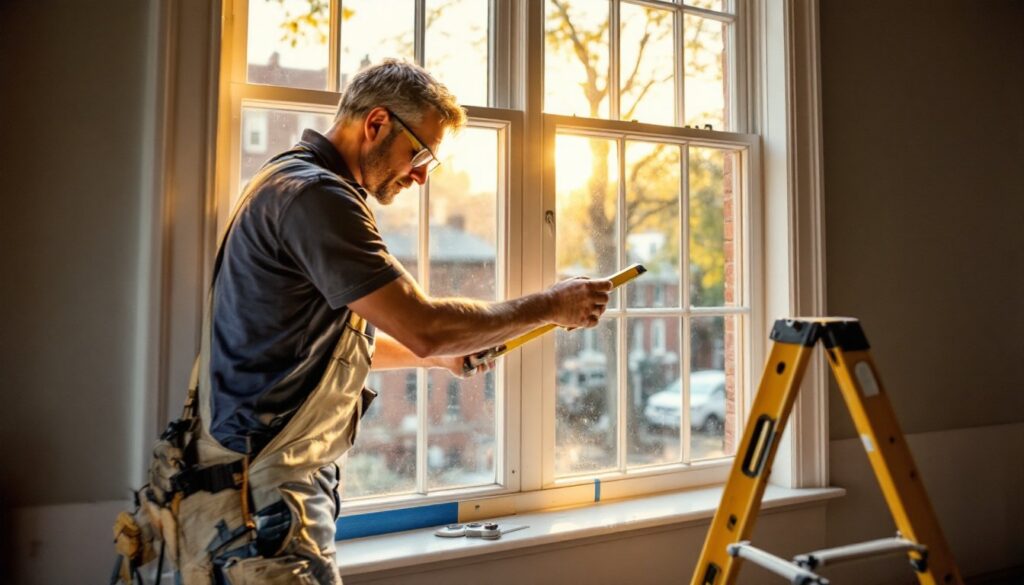
Pre-Installation: The contractor measures each opening precisely and confirms window specs. If permit inspection is required, it happens before work begins. Clear furniture and window sills: contractors will need unobstructed access. Plan for noise and dust, this isn’t a quiet day.
Removal and Prep: The old window frame and sash are removed carefully. The opening is checked for rot, and any damaged wood is replaced. This is crucial: a contractor who skips this step or ignores visible damage is cutting corners.
Installation: The new window is fitted into the opening and shimmed level and plumb using cedar shims (thin wedges). Gaps around the frame are sealed with caulk and insulation foam. Exterior flashing is installed to shed water. On masonry homes, proper flashing prevents water from tracking behind brick and causing expensive interior damage.
Finishing: Interior trim and sills are caulked and painted. Exterior caulking and touch-up painting complete the job. A good contractor tests the sashes, locks, and seals before leaving.
Post-Installation: Allow 24–48 hours before opening windows fully so caulk cures. Some shrinkage and settling occur in the first month, minor drafts sometimes reduce on their own. If not, contact the contractor promptly: adjustments under warranty are standard. Permits typically require final inspection within a week or two.
Conclusion
Window replacement in Philadelphia is a smart investment that cuts energy costs, improves comfort, and enhances your home’s appearance. Success depends on choosing the right materials for your climate, budgeting realistically, and hiring a licensed, insured contractor who prioritizes quality and warranty coverage. Take time to gather estimates, ask tough questions, and don’t rush. The difference between a hasty job and a professional installation becomes painfully obvious after the first heating season.