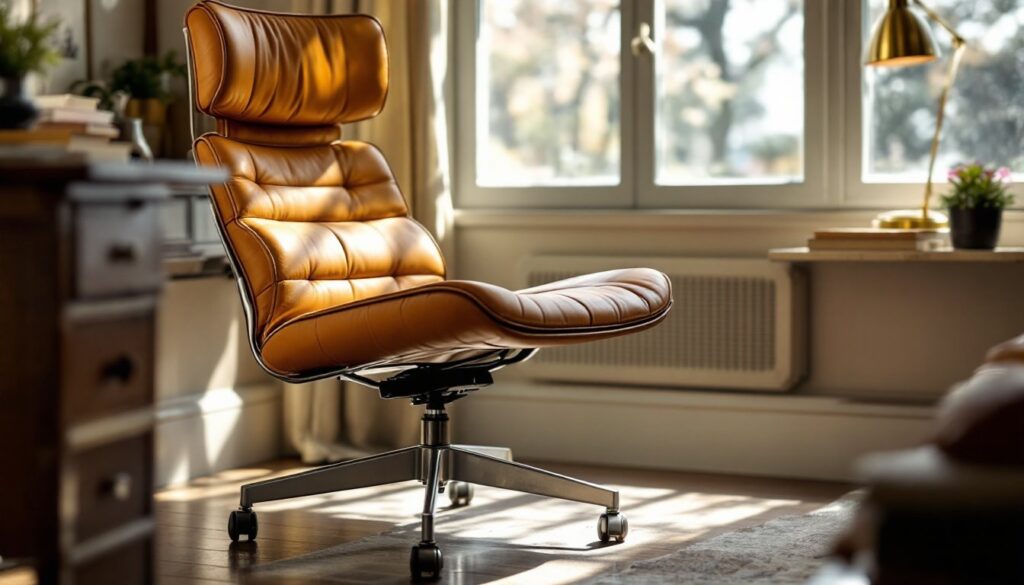
A well-designed vintage office chair does more than provide comfortable seating, it adds character, history, and often superior craftsmanship to a home workspace or study. Whether you’ve inherited a mid-century gem from a relative’s attic or spotted one at a local thrift store, vintage office chairs represent an era when furniture makers prioritized durability and thoughtful design. The hunt for authentic vintage office seating and the restoration of these pieces has become increasingly popular among homeowners who value both aesthetics and functionality. This guide walks through identifying what makes a chair truly vintage, recognizing popular styles, sourcing authentic pieces, and bringing worn examples back to their best condition.
Table of Contents
ToggleKey Takeaways
- A vintage office chair is typically 20–30 years old with superior craftsmanship, solid construction, and recognizable maker marks like Herman Miller or Eames that indicate quality and value.
- Mid-century modern vintage office chairs (1950s–1960s) feature clean lines and innovative ergonomic design, while 1980s–1990s models offer easier restoration with readily available replacement parts.
- Authentic vintage office chairs can be found at thrift stores, estate sales, and online marketplaces for $50–$300, but always inspect in person when possible and verify manufacturer details to avoid reproductions.
- Essential restoration tasks include pneumatic cylinder replacement ($20–$60), lubricating pivot points with silicone-based products, and professional upholstery work ($300–$800) to extend the chair’s usable life.
- Prioritize solid bones and functioning mechanisms over cosmetic appeal when evaluating a vintage office chair, as structural integrity and comfort determine long-term value and functionality.
What Makes an Office Chair Vintage?
A vintage office chair typically dates back at least 20–30 years, though most collectors consider pieces from the 1940s through 1980s as the prime vintage era. Age alone doesn’t make a chair valuable or even desirable: condition, design merit, and manufacturing quality matter far more. Look for solid construction: hardwood frames, mechanisms that operate smoothly, and materials like leather, quality fabric, or molded plastic that have aged well. Avoid chairs with extensive frame damage, severe wobbling, or broken adjustment mechanisms, unless you’re skilled at reupholstery and mechanical repair. Examine the maker’s label or manufacturer mark on the underside or back of the chair: recognizable names like Herman Miller, Steelcase, Knoll, and Eames command higher prices and indicate quality engineering. A chair needs to function as a chair first: aesthetic appeal and rarity enhance value but don’t replace solid bones. If the pneumatic cylinder (the gas-lift mechanism) is failing, replacement parts are often available, but this is a repair, not a restoration shortcut.
Popular Vintage Office Chair Styles and Eras
Mid-Century Modern Designs
Mid-century modern office chairs (roughly 1950s–1960s) emphasize clean lines, minimal ornamentation, and functional elegance. The Eames Aluminum Group Chair and Herman Miller Aeron ancestors feature molded plastic backs, slim metal bases, and sculpted seats designed for posture support, innovations that feel contemporary even today. Materials tend toward high-quality leather, dense wool upholstery, and anodized aluminum. These chairs were often used in forward-thinking corporate offices, architectural firms, and design studios, so they were built to endure heavy use. Condition tends to be excellent because manufacturers used superior materials. The challenge with mid-century pieces is authenticity: reproductions abound, so verify maker details and construction methods before purchasing.
1980s and 1990s Office Chairs
The 1980s and 1990s brought ergonomic awareness and colorful upholstery choices. Mesh backing, adjustable lumbar support, and tilt mechanisms became standard features. Popular brands like Steelcase and Knoll produced task chairs in vibrant fabrics, teals, grays, and neutrals, paired with swivel bases and nylon wheels. These chairs are often overlooked by collectors but offer excellent function and are easier to restore than earlier models because replacement parts remain in circulation. The design is less “precious” than mid-century work, which can be liberating if you’re restoring a piece for daily use rather than display.
Where to Find Authentic Vintage Office Chairs
Local thrift stores, estate sales, and online marketplaces like Facebook Marketplace and Craigslist often yield vintage office chairs at reasonable prices, $50 to $300 for solid mid-range pieces. Always inspect in person if possible: sit in the chair, test adjustments, check for frame cracks, and smell for mold or mildew, which signal water damage. Specialty vintage furniture dealers and auction houses cater to collectors seeking rarer or documented pieces, typically priced $400 and upward. Authenticity and provenance matter here, so ask sellers for photographs of manufacturer markings, labels, and any documentation. Online vintage marketplaces like Etsy offer broader selection but require careful vetting, always request detailed photos of the underside, base, and any damage before buying. Resources like Elle Decor’s design guides can help you recognize designer-quality pieces and understand market values. Join online vintage furniture communities on Reddit or Facebook: enthusiasts often help verify authenticity and offer sourcing tips. When buying remotely, clarify shipping costs upfront, large office chairs can be expensive to transport, and request a return window for DOA (dead on arrival) items with mechanical failures.
Restoration and Maintenance Tips
Start with a thorough inspection under natural light. Identify stains, odors, mechanical failures, and frame damage. For upholstery, vacuum thoroughly with a soft brush attachment, then test a fabric cleaner like Resolve or a mild vinegar solution on an inconspicuous area first. Leather benefits from saddle soap and conditioner: apply sparingly and buff with a soft cloth. Squeaky mechanisms often respond to silicone-based lubricant applied to pivot points and the base swivel, avoid WD-40, which attracts dust. Test the pneumatic cylinder (height adjustment) by pushing the lever: if the chair won’t hold height, the cylinder is likely failed and needs replacement. Replacement cylinders cost $20–$60 and swap out in minutes, remove the seat pan, pop out the old cylinder, and install the new one. For bent or cracked frames, structural repairs require woodworking skill and possibly clamps or epoxy: unless you’re experienced, outsource this work to a furniture restorer. Wheel and caster replacements are straightforward DIY tasks: measure the stem diameter and length, then pop off old casters and press on new ones. Modern casters from brands like Shepherd offer smoother rolling and quieter operation than originals. Reupholstering seat and back cushions is labor-intensive and best left to professionals unless you’re skilled with fabric and a staple gun. If the frame and mechanism are sound, a professional upholster can refresh the look for $300–$800, depending on complexity and fabric choice. Resources like Country Living’s home restoration articles and Design Milk’s furniture reviews offer visual inspiration for color and fabric pairings that suit vintage pieces in modern homes.
Conclusion
Vintage office chairs reward patience and attention to detail. Hunt for pieces with solid bones, recognizable maker marks, and honest condition reports. Invest restoration effort in mechanical and structural repairs, replacing a pneumatic cylinder or casters multiplies years of usable life. Accept cosmetic wear as part of the charm, or budget for professional upholstery refresh if budget allows. A restored vintage office chair becomes a functional heirloom, marrying comfort with design history.