Baltimore’s weather, humid summers, icy winters, and aggressive seasonal shifts, takes a toll on windows. Homeowners here face old single-pane glass, rotting frames, and condensation buildup that waste energy and invite moisture damage. Window replacement in Baltimore isn’t just a cosmetic upgrade: it’s a practical investment in comfort, efficiency, and structural integrity. This guide walks through why windows fail, how to pick the right replacements for local conditions, what the installation process looks like, and how to find contractors you can trust.
Table of Contents
ToggleKey Takeaways
- Window replacement in Baltimore addresses climate-specific challenges like condensation, rot, and air leaks caused by extreme seasonal temperature swings and humidity.
- Upgrading from single-pane to modern double-glazed, low-E windows can reduce heating and cooling costs by 10–15% annually while recouping 70–80% of replacement costs at resale.
- Vinyl, fiberglass, and aluminum-clad wood frames offer superior durability and insulation for Baltimore’s harsh weather; look for ENERGY STAR® certified products with U-factors of 0.25–0.30.
- Professional window replacement takes 1–3 days and includes critical steps like frame inspection, proper flashing installation, and sealing to prevent future water damage and structural issues.
- Hire only licensed, insured contractors with verifiable local references and written estimates; low-cost bids often indicate corner-cutting that undermines performance and longevity.
- Common warning signs—condensation between panes, visible rot, difficult operation, and air leaks—indicate windows need immediate replacement to prevent costly structural damage.
Why Window Replacement Matters for Baltimore Homes
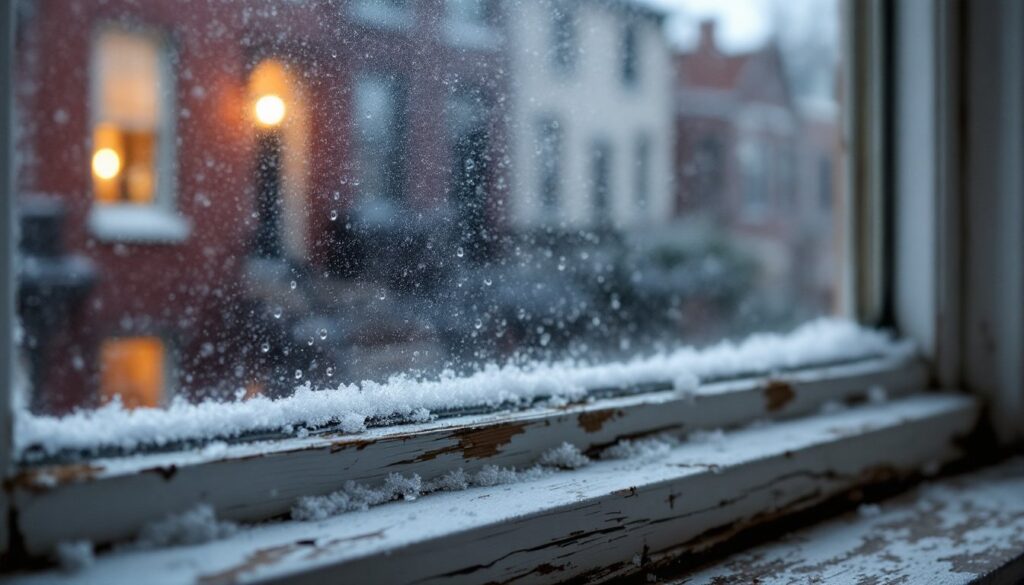
Baltimore’s climate is punishing on windows. Winters dip below freezing: summers push toward 90°F with high humidity. Single-pane windows, common in older row homes and early-2000s builds, can’t handle this swing. They sweat, frost over, and allow air to leak in and out, jacking up heating and cooling costs.
Water infiltration is the silent killer. When frames crack or seals fail, moisture seeps into the wall cavity, rotting framing lumber (studs and headers) and promoting mold growth, expensive and hazardous. A failing window isn’t just uncomfortable: it’s a structural liability. New windows with modern frames (vinyl, fiberglass, or aluminum-clad wood) resist rot, seal tighter, and keep thermal transfer to a minimum. Most new windows come rated for the Baltimore region’s wind speeds and temperature extremes, meeting local building codes.
Signs Your Windows Need Replacement
Not every window fails at the same time. Inspect for these red flags:
• Condensation between panes. This means the seal has broken: the insulating air or argon gas inside the double-wall has leaked out. The window won’t insulate anymore.
• Visible rot or peeling paint on frames. If you poke the sill with a screwdriver and it feels soft, wood rot has set in. This is urgent, it spreads to framing.
• Difficult operation. Windows that stick, rattle, or won’t stay open are losers. Either the frame is warped, hinges are failing, or the frame has shifted with the house.
• Single-pane glass. If your home has original single-pane windows, replacement is wise. Even high-performance single-pane units don’t match modern double- or triple-glazed efficiency.
• Air leaks. Feel for drafts on windy days, or look for gaps where the frame meets the wall framing. Caulk can delay replacement a few years, but it’s a band-aid.
• Visible exterior caulk failure. Shrunk, cracked, or missing caulk around the perimeter lets air and water in, a sign the window is nearing the end.
Energy Efficiency and Cost Savings
New windows pay for themselves over time. A Baltimore home upgrading from single-pane to modern double-glazed, low-E windows (which reflect heat) can see 10–15% reductions in heating and cooling costs. That translates to $100–200+ per year in savings for many households. Recent studies on energy-efficient windows show that Baltimore homeowners recoup about 70–80% of window replacement costs at resale, and the comfort gain is immediate. In winter, new windows eliminate cold spots and drafts: in summer, low-E coatings block solar heat gain.
Choosing the Right Window Style for Baltimore’s Climate
Baltimore homes span colonial row homes, Victorians, Craftsman bungalows, and mid-century ranch houses. Window style matters for aesthetics, but material and performance specs matter more in this climate.
Frame materials:
• Vinyl. Most affordable, low maintenance, great insulation value (U-factor around 0.25–0.30). Can fade in harsh sun. Works well for Baltimore.
• Wood or aluminum-clad wood. Higher cost, classic look for older homes, but requires maintenance. Cladding protects the wood from rot and weather.
• Fiberglass. Durable, stable across temperature swings, excellent insulation. Costlier but lasts 50+ years without warping.
• Aluminum. Least insulating: mostly used for commercial or in mild climates. Skip it for Baltimore winters.
Glass specs to prioritize:
Double-glazed (two panes) with low-E coating is standard now. Low-E (low-emissivity) coatings reflect heat in summer and retain it in winter. Argon gas fill between panes improves insulation versus air. For Baltimore, look for a U-factor of 0.25–0.30 (lower is better) and SHGC (Solar Heat Gain Coefficient) of 0.20–0.30 to block summer heat. Products meeting ENERGY STAR® certification for the North Central region are verified for local climate performance.
Window style (single-hung, double-hung, casement, awning, fixed) depends on your home’s architecture and ventilation needs. Double-hung windows are iconic in Baltimore row homes: casements crank open and ventilate well. Ensure your choice matches the existing openings and siding type (brick, wood, vinyl).
What to Expect During the Replacement Process
Professional installation typically takes 1–3 days depending on the number of windows. Here’s the workflow:
1. Measurement and assessment. The installer verifies rough opening sizes, checks for water damage, and looks at how the existing frame is fastened. Old windows in brick homes require different flashing techniques than vinyl-sided homes, techniques for installing replacement windows in a brick home vary, so this step is critical.
2. Prep and removal. Interior trim (called casing or molding) is carefully pried off and set aside if you’re keeping it. The old window is then unbolted or unscrewed from the frame, and the sash (glass and frame assembly) is pulled out. Exterior caulk is scraped away. This is dusty, time-consuming work.
3. Frame inspection and repair. Once the window is out, the installer checks the sill (the horizontal base), header (top), and side jambs (vertical framing) for rot, water damage, or warping. Minor damage is shimmed and filled: severe rot may require framing repairs (studs, rim board), which pushes cost and timeline up.
4. Installation. The new window is fitted into the opening, leveled, plumbed, and fastened with screws through the flange (the part that wraps the outside edge). Shims (thin plastic or wood wedges) are used to keep the window square and prevent binding. This is where precision matters, a tilted window binds, drafts, or fails to open smoothly.
5. Sealing and flashing. The gap between the new frame and the rough opening is filled with expanding foam (low-expanding, for windows) or fiberglass batt insulation. Once cured, excess foam is trimmed with a utility knife. Flashing tape (a self-adhesive membrane) is applied around the exterior perimeter to direct water down and away. This prevents future leaks.
6. Interior and exterior finishing. Outside, new caulk (paintable silicone or acrylic-latex) seals the window to the siding or brick. Inside, the original casing is reinstalled, or new trim is cut and nailed. Interior gaps are caulked, then painted or stained to match.
Expect noise, dust, and temporary drafts. Modern installers use plastic sheeting and drop cloths, but some debris escapes. A second pair of hands, or a professional, is highly recommended. DIY replacement is possible for a single window, but you need a level, shimming experience, and patience.
Finding and Vetting Local Window Replacement Contractors
Baltimore has no shortage of window installers, but quality varies wildly. Bad installation, sloppy flashing, poor caulking, or forcing a window too tight, ruins even premium glass.
Vet contractors this way:
• Check licensing and insurance. Maryland requires contractors doing work over $500 to be licensed. Ask for proof and verify with the Maryland Home Improvement Commission.
• Ask for references and local examples. A solid contractor should provide recent Baltimore project photos and homeowner contacts. Call them, ask about timeliness, cleanliness, warranty support, and whether water has leaked since installation.
• Confirm warranties. New windows typically include a manufacturer warranty (10 years on glass, 10–20 on frame), but installation quality also matters. A good installer backs their labor for a few years.
• Get written estimates. Never accept a phone quote. A site visit ensures accurate measurement, material selection, and realistic timeline. Compare 2–3 estimates.
• Check reviews and ratings. Platforms like Angi (formerly Angie’s List) and Google Reviews show patterns. Watch for red flags: missed deadlines, water damage, poor follow-up on callbacks.
A reputable contractor will explain upfront if your brick home requires special flashing, if reframing is needed, and how they’ll handle trim. They’ll also discuss the trade-offs (aluminum-clad windows vs. vinyl, single-hung vs. casement) without pressure, tailoring to your budget and home’s style. Don’t chase the cheapest quote: lowest price often means cut corners.
Conclusion
Window replacement in Baltimore is one of the smartest investments a homeowner can make. Rising energy bills, drafts, condensation, and rot are all fixable, and upgrading to modern, climate-matched windows eliminates them. Take time to assess your home’s needs, compare materials and ratings, and hire a licensed, insured contractor with local track record. Your comfort, utility bills, and home’s resale value will thank you.