The best maintenance checklists help organizations prevent equipment failures, reduce downtime, and extend asset lifespans. Without a structured approach, maintenance teams often miss critical tasks or perform them inconsistently. A well-designed checklist ensures nothing slips through the cracks.
Maintenance checklists serve as step-by-step guides for inspections, repairs, and routine upkeep. They standardize procedures across teams and create accountability. Whether managing a manufacturing plant, commercial building, or vehicle fleet, the right checklist keeps operations running smoothly. This guide covers why maintenance checklists matter, the essential types every organization needs, and how to build and use them effectively.
Table of Contents
ToggleKey Takeaways
- The best maintenance checklists prevent equipment failures, reduce downtime, and can extend asset lifespans by 20-40%.
- Preventive maintenance checklists should include visual inspections, lubrication, filter replacements, and calibration tests at scheduled intervals.
- Effective checklists use specific, actionable language with clear pass/fail criteria rather than vague instructions.
- Digital, mobile-friendly checklists improve accessibility and completion rates compared to paper-based systems stored in offices.
- Regularly review and update maintenance checklists to reflect equipment aging, changing conditions, and lessons learned from past failures.
- Integrate checklists with maintenance management systems to trigger work orders, track asset histories, and support compliance documentation.
Why Maintenance Checklists Matter
Maintenance checklists reduce human error and improve consistency. When technicians work from memory alone, they forget steps. Studies show that even experienced professionals miss routine tasks under pressure. A checklist eliminates guesswork and ensures every inspection follows the same process.
Organizations using maintenance checklists report fewer unexpected breakdowns. Equipment failures cost U.S. manufacturers an estimated $50 billion annually. Many of these failures stem from missed maintenance tasks, tasks a simple checklist would have caught. Regular inspections identify worn parts before they fail completely.
Checklists also create documentation trails. When something goes wrong, teams can review completed checklists to identify what was inspected and when. This information proves valuable for warranty claims, insurance purposes, and root cause analysis.
Beyond preventing failures, maintenance checklists improve team communication. New employees learn procedures faster when they have clear guidelines. Supervisors spend less time answering basic questions. The entire maintenance operation becomes more efficient.
Compliance is another key benefit. Many industries require documented maintenance records. OSHA, EPA, and other regulatory bodies expect organizations to prove they maintain equipment properly. Checklists provide that proof in a format auditors recognize and accept.
Essential Types of Maintenance Checklists
Different assets require different maintenance approaches. The best maintenance checklists match the specific needs of the equipment, facility, or system they cover. Here are the most common types organizations use.
Preventive Maintenance Checklists
Preventive maintenance checklists schedule routine tasks before problems occur. These checklists specify inspection intervals, daily, weekly, monthly, or annually, based on manufacturer recommendations and operational experience.
A typical preventive maintenance checklist includes:
- Visual inspections for wear, leaks, or damage
- Lubrication of moving parts
- Filter replacements
- Belt tension checks
- Fluid level verifications
- Calibration tests
Preventive maintenance checklists work best when tied to specific time intervals or usage milestones. For example, an HVAC system might require filter changes every 30 days and coil cleaning every 90 days. A delivery truck might need oil changes every 5,000 miles.
The goal is catching small issues before they become expensive repairs. Organizations that follow preventive maintenance checklists consistently often extend equipment life by 20-40%.
Facility and Equipment Checklists
Facility maintenance checklists cover building systems and infrastructure. They address HVAC, plumbing, electrical, roofing, and structural elements. Property managers use these checklists to maintain tenant comfort and protect building value.
Common facility checklist items include:
- Thermostat calibration
- Emergency lighting tests
- Fire extinguisher inspections
- Roof drainage verification
- Parking lot condition assessments
- Elevator safety checks
Equipment-specific checklists focus on individual machines or systems. A CNC machine checklist differs significantly from a commercial kitchen equipment checklist. Each should reflect the unique maintenance requirements of that asset.
The best equipment checklists incorporate manufacturer guidelines, industry standards, and lessons learned from past failures. They evolve over time as teams discover new failure modes or more efficient maintenance methods.
How to Create an Effective Maintenance Checklist
Creating maintenance checklists requires input from multiple sources. Start with manufacturer documentation. Equipment manuals specify recommended maintenance intervals and procedures. These recommendations form the foundation of any checklist.
Next, consult experienced technicians. They know which components fail most often and which inspections catch problems early. Their practical knowledge fills gaps that manufacturer documentation might miss.
Organize checklist items in logical sequence. Group related tasks together. If a technician needs to access a specific panel, list all inspections for that area consecutively. This approach reduces time spent opening and closing access points.
Each checklist item should be specific and actionable. “Check belts” is vague. “Inspect drive belt for cracks, fraying, or glazing” tells technicians exactly what to look for. Specific instructions produce consistent results.
Include pass/fail criteria when possible. What oil level is acceptable? What temperature range indicates proper operation? Clear standards help technicians make accurate assessments.
Add space for notes and observations. Sometimes technicians notice issues that fall outside checklist items. A notes section captures this information for future reference.
Keep checklists concise. Long, complicated checklists discourage thorough completion. If a maintenance procedure requires 50+ steps, consider breaking it into multiple focused checklists.
Finally, review and update checklists regularly. Equipment ages. Operating conditions change. Maintenance checklists should reflect current reality, not outdated assumptions.
Best Practices for Using Maintenance Checklists
The best maintenance checklists fail if teams don’t use them correctly. Implementation matters as much as design.
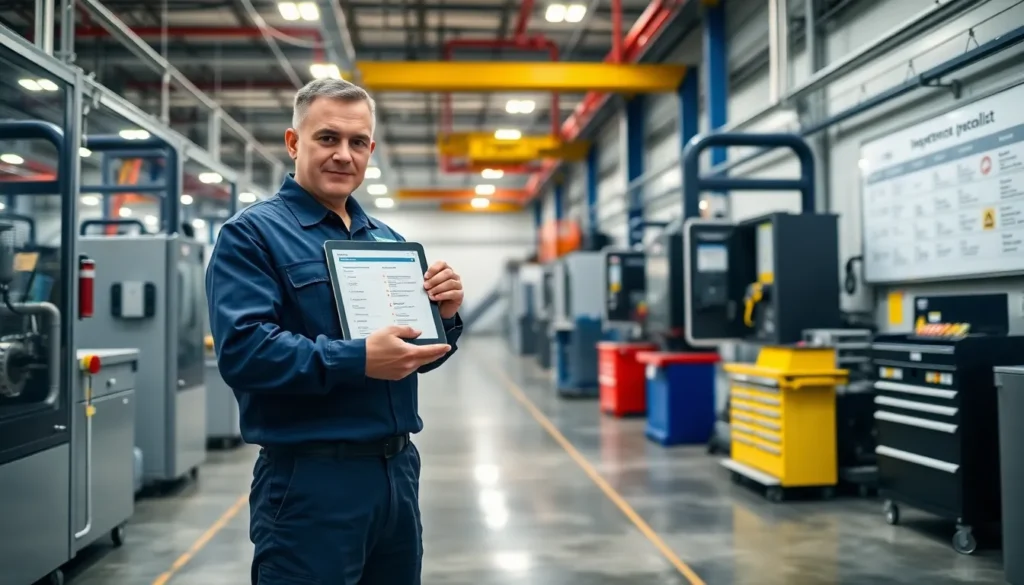
Make checklists accessible where work happens. Paper checklists stored in an office don’t help technicians on the shop floor. Mobile-friendly digital checklists allow completion on tablets or smartphones at the equipment location.
Train staff on proper checklist use. Technicians should understand why each item matters, not just how to mark it complete. This knowledge helps them spot related issues and make better judgment calls.
Set clear accountability. Assign specific checklists to specific individuals. Track completion rates. When everyone thinks someone else will handle a task, no one does.
Schedule checklist tasks realistically. Overloaded technicians rush through inspections or skip them entirely. Build adequate time into work schedules for thorough checklist completion.
Review completed checklists regularly. Look for patterns in noted issues. If the same component appears repeatedly in technician notes, it may need more frequent maintenance or replacement.
Integrate checklists with maintenance management systems. Standalone checklists provide value, but connected systems multiply that value. Completed checklist data can trigger work orders, update asset histories, and inform replacement decisions.
Celebrate consistency. Recognize teams and individuals who maintain high checklist compliance rates. Positive reinforcement encourages continued attention to maintenance procedures.
Audit checklist accuracy periodically. Verify that marked inspections actually occurred. Random spot-checks keep teams honest and identify training needs.