Building or refreshing an outdoor patio doesn’t have to drain your budget. Buying wholesale patio pavers instead of hitting the big-box retail route can save 20–40% on material costs while giving you access to better-quality products and a wider selection. Whether you’re planning a simple backyard project or a more ambitious hardscape, knowing where to find wholesale suppliers in your area and how to evaluate what you’re buying makes all the difference. This guide walks you through sourcing, selecting, and installing wholesale patio pavers like a seasoned DIYer.
Table of Contents
ToggleKey Takeaways
- Wholesale patio pavers near me cost 20–40% less than retail while offering better quality and wider material selection, with prices dropping from $3–$8 per unit at retail to $1.50–$5 wholesale.
- Source wholesale patio pavers by contacting local hardscape suppliers, landscape associations, regional stone quarries, and trusted contractors who can recommend quality suppliers in your area.
- Request material samples, frost ratings, and compressive strength specs before purchasing to ensure pavers meet ASTM standards and can withstand your climate’s freeze-thaw cycles.
- Proper base preparation—including 4–6 inches of excavation, soil compaction, and crushed stone—is critical; skipping this step causes pavers to shift and fail within years regardless of quality.
- Concrete pavers ($1.50–$3 per unit) work well for most projects, while natural stone ($3–$8+ per unit) and permeable options offer premium durability and environmental benefits for long-term outdoor living.
- Rent equipment like plate compactors and wet saws to achieve a professional finish, lay pavers dry before finalizing patterns, and allow polymeric sand 24–48 hours to set before use.
Why Buy Wholesale Patio Pavers Instead of Retail
Wholesale suppliers typically sell in bulk at significantly lower per-unit prices than retail centers. The math is straightforward: retail pavers cost $3–$8 each depending on material and size, while wholesale runs $1.50–$5 per unit when you buy by the pallet or crate. You also get direct access to manufacturer inventory, which means fresher stock and better quality control.
Retail stores stock popular styles and neutral colors to appeal to a broad customer base. Wholesale yards carry specialty finishes, regional stone variations, and premium materials like authentic tumbled pavers, large-format slabs, and textured concrete versions that give your patio authentic character. If you’re designing something beyond the cookie-cutter approach, wholesale is where you’ll find the goods.
Bulk buying also means less markup. Wholesale distributors work on volume margins, not the 50–100% markups typical at retail. There’s no middleman between you and the supplier, so you keep more money for the actual project or invest in better-quality base materials and labor if you’re hiring help.
How to Search for Wholesale Patio Pavers in Your Area
Start by searching “hardscape suppliers near me” or “wholesale stone pavers [your city].” Call local landscape supply yards, the kind that serve contractors. Many operate on dual tiers: they’ll sell to contractors at contractor pricing, but homeowners can often buy at near-wholesale rates if you walk in with a project plan and order reasonable volumes (typically three to five pallets minimum).
Check your region’s masonry or landscape associations for supplier lists. Many have member directories online. Trade shows and home and garden expos often feature local suppliers offering show pricing. Regional stone quarries sometimes sell directly to homeowners and cut out the distributor entirely, a significant savings if you’re in the Northeast, California, or other areas with active quarrying.
Ask contractors you trust. If a neighbor had a patio done recently, they’ll often share their supplier’s contact. Contractors buy in volume and build long-term relationships, so they know who carries what and which suppliers deliver on quality and timing.
Checking Local Inventory and Pricing
Once you’ve identified suppliers, call ahead with specifics: the paver size you want (common sizes are 4×8 inches, 6×9 inches, and 12×12 inches), material (concrete, natural stone, permeable), color, and approximate square footage. Ask about current pricing, minimum order quantities, and delivery costs, these vary wildly by region and market conditions.
Request photos or samples before committing to a full order. Many suppliers will loan you a pallet or a few loose pavers to test fit and finalize colors on your actual site. Natural stone color and texture vary, so seeing it in your yard’s light is non-negotiable. Get a written quote and confirm lead times: spring orders can stretch 2–4 weeks if the supplier sources material regionally.
Popular Materials and Styles for Outdoor Patios
Concrete pavers dominate the wholesale market and for good reason: they’re affordable, durable, and come in endless colors and finishes. Standard concrete pavers run $1.50–$3 per unit wholesale and hold up well in freeze-thaw climates. Permeable pavers, which allow water to drain through, cost 20–30% more but eliminate puddles and meet stormwater regulations in many jurisdictions.
Natural stone, flagstone, slate, bluestone, and granite, commands premium pricing ($3–$8+ per unit wholesale) but delivers timeless appeal. Tumbled stone costs more upfront but hides wear and footprints better than smooth finishes. Locally quarried stone often outperforms imported varieties in your climate: bluestone handles Northeastern winters better than Southern granite, for example.
Permeable and stamped concrete combine affordability with custom aesthetics. Stamped designs mimic stone or brick patterns, and many homeowners find the look-to-cost ratio unbeatable. Review regional suppliers through Angi, which provides cost guides and contractor recommendations for hardscape work to understand market pricing in your area.
Seasonal trends favor large-format pavers (18×18 inches and up) for a modern, minimalist look that reduces grout lines and speeds installation. Mixed-size patterns add visual interest without the complexity of intricate layouts. Gray tones remain popular, but warm earth tones and charcoal finishes are gaining ground in 2026.
Evaluating Quality and Durability Before Purchasing
Request the material specification sheet (or ask to see a product sample) and look for frost-rating if you’re in a cold climate. Pavers rated for “severe weathering” or ASTM C936 standard (concrete) or ASTM C615 standard (natural stone) will resist freeze-thaw damage that cracks cheaper pavers after two to three winters.
Check the compressive strength: concrete pavers should exceed 3,500 psi for standard residential use. Natural stone specs are trickier, but ask suppliers which varieties local contractors rely on. Slate and bluestone are almost foolproof: granite and limestone are regional bets, some types delaminate (split into layers) under weathering.
Examine a sample for color consistency, surface texture, and edge quality. Factory cuts should be clean: rough edges indicate lower-grade material or poor handling. Natural stone will have color and grain variation, that’s authentic, but request pavers from the same quarry lot to minimize surprise differences when you lay them.
Ask about slip resistance, especially for pool decks or sloped areas. Smooth polished finishes can turn treacherous when wet. Textured, brushed, or tumbled surfaces grip better and are safer for high-traffic zones. Gardenista’s outdoor living spaces showcase design-forward patio approaches and material combinations worth exploring for inspiration on durability and finish choices.
Tips for DIY Installation and Project Planning
Measure your patio area carefully and add 10% waste for cuts, breakage, and layout adjustments. A rough 200-square-foot patio at 6×9 inches per paver requires roughly 500–550 pavers: don’t shortcut the count.
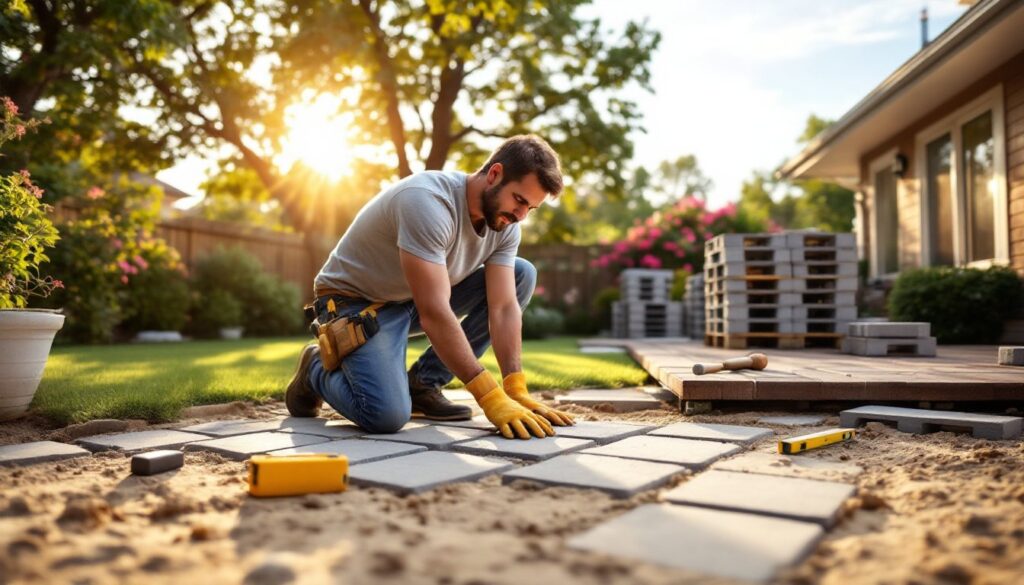
Prepare the base properly, this is where amateur projects fail. Excavate 4–6 inches deep depending on your climate and soil type (deeper in freeze-thaw zones), compact the base soil with a plate compactor, add 2–4 inches of crushed stone (¾-inch minus), and re-compact. Add 1–1.5 inches of polymeric sand or concrete setting base on top. Pavers sitting on an uncompacted base will shift, settle, and fail within years regardless of quality.
Lay out pavers dry first, don’t mortar anything until you’re satisfied with the pattern and fit. Use a level to check for proper slope (⅛ inch drop per foot for drainage) and adjust base material as you go. Butted seams with no grout joints work for tumbled stone and some concrete finishes: others require ½-inch to ¾-inch joints filled with polymeric sand for structural integrity. Southern Living’s outdoor design ideas offer proven patio layouts and finishing touches that work well for most climates.
Wear safety glasses, work gloves, and a dust mask when cutting pavers, a wet saw or circular saw with a masonry blade creates fine silica dust harmful to lungs. Rent a plate compactor and a wet saw: these tools are expensive to buy and often crucial for a professional finish. Compact as you lay, not after, settled pavers come loose. Finally, let the polymeric sand set for 24–48 hours before foot traffic and apply a breathable sealer if your paver type benefits from it (natural stone and some concretes do: some don’t, check the supplier’s recommendation).
Conclusion
Wholesale patio pavers deliver better value and superior choice compared to retail, but sourcing requires assignments. Contact local suppliers with a clear project scope, evaluate samples on-site, and invest time in proper base preparation and layout. A well-installed wholesale patio lasts decades and adds genuine outdoor living space to your home.