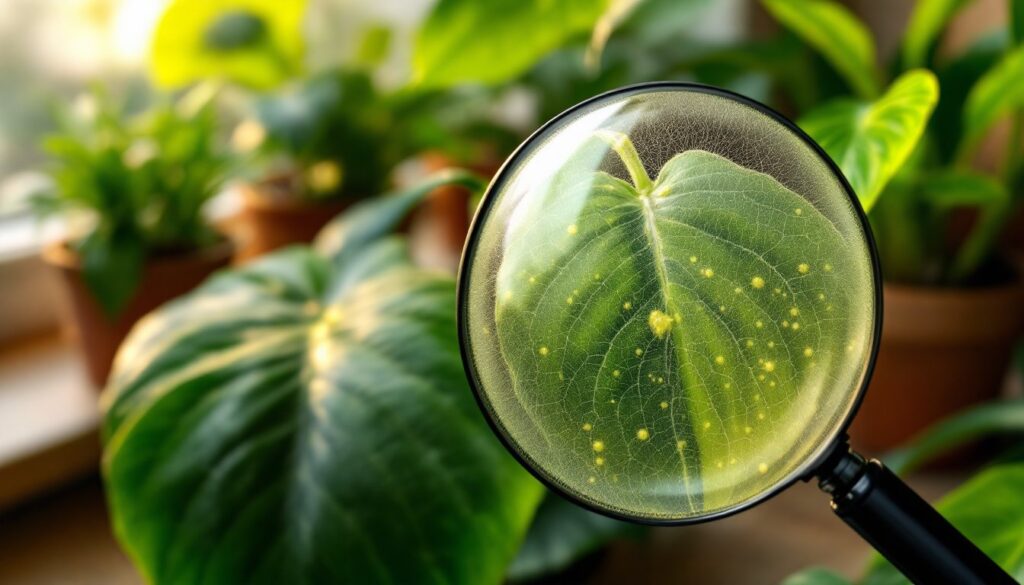
Spider mites are among the most frustrating pests a plant parent encounters. These tiny arachnids, nearly invisible to the naked eye, can decimate a thriving monstera or fiddle leaf fig in weeks. What makes them especially maddening is how quietly they work, by the time you notice the damage, a full-blown infestation is usually underway. The good news: you can kill spider mites on indoor plants and prevent them from coming back. Whether you’re dealing with webbing on your succulents or stippled leaves on your herbs, this guide walks you through spotting the problem early, eliminating it fast, and keeping your plants spider-mite-free for the long haul.
Table of Contents
ToggleKey Takeaways
- Spider mites thrive in warm, dry indoor environments and reproduce exponentially, making early detection critical—watch for stippling on leaves and fine webbing on plant undersides.
- Start treating spider mites on indoor plants with simple methods like water sprays and organic solutions like neem oil before resorting to chemical miticides for severe infestations.
- Increase humidity above 40% to create a hostile environment for spider mites, as they struggle in moisture-rich conditions and reproduce slower at higher humidity levels.
- Prevent spider mites from returning by quarantining new plants for 2–3 weeks, inspecting them with a magnifying glass, and keeping your tools and hands clean between plants.
- Maintain plant health through proper watering, lighting, and fertilization, since stressed plants are more susceptible to spider mite infestations and recover slower from damage.
- Regular monthly preventative sprays with neem oil or insecticidal soap during winter and early spring protect your indoor plant collection before infestations spiral out of control.
What Are Spider Mites and Why They Infest Indoor Plants
Spider mites aren’t actually insects, they’re arachnids, which means they’re more closely related to spiders and ticks. The most common species on houseplants is the two-spotted spider mite, and it thrives in warm, dry conditions. This is why indoor plants are perfect targets: heated homes in winter and air conditioning in summer create the low-humidity environments mites love.
These pests feed on plant sap by puncturing leaf cells with their needle-like mouthparts. A few mites cause minimal damage, but populations explode exponentially under the right conditions. A single female can lay dozens of eggs in just a few days. Indoor plants rarely have natural predators that would control mite populations outdoors, so once an infestation starts, it accelerates quickly.
Mites are brought inside on new plants, contaminated soil, or hitched rides on clothing and tools. They’re so small (roughly 0.5mm) that you won’t spot them walking across a shelf. Instead, you’ll notice their damage first, yellowed, stippled leaves and fine webbing on stems and leaf undersides.
Signs Your Indoor Plants Have a Spider Mite Problem
The telltale warning sign is stippling, tiny pale or yellow dots covering leaf surfaces, as if someone flicked a paintbrush at them. This happens because mites drain chlorophyll-rich cells, leaving translucent damage in their wake. Look closely at the undersides of leaves with a magnifying glass: you’ll often see the mites themselves, tiny moving specks.
Fine webbing on leaves, stems, and between branches is another dead giveaway, especially in severe infestations. Some species produce heavier webbing than others, but any webbing on a houseplant signals spider mites. You might also notice leaves yellowing, curling, or dropping prematurely. Affected plants often look dull and weak overall.
The damage typically starts on older, lower leaves and spreads upward. If you see this pattern, especially on plants that have been indoors for weeks, suspect mites immediately. Early detection is critical. Once stippling covers more than 25% of the plant, it takes much longer to recover, even after treatment. Check vulnerable plants weekly, focusing on undersides of leaves where mites congregate.
Natural Methods to Get Rid of Spider Mites
Start with the simplest solution: strong water spray. Take your plant to a bathtub or shower and spray all leaf surfaces, tops and undersides, with lukewarm water at moderate pressure. This dislodges mites physically and disrupts their webbing. Repeat every 2–3 days for two weeks. It’s labor-intensive but free and works for light infestations.
Neem oil is a go-to organic treatment. Mix according to package directions (usually 1–2 tablespoons per gallon of water) and spray the entire plant, coating all leaf surfaces thoroughly. Neem disrupts mite reproduction and feeding. Apply every 5–7 days for three weeks. Spray in the evening to avoid leaf burn and never apply in direct sunlight. Wear gloves and eye protection, neem oil can irritate skin and eyes.
Insecticidal soap (potassium fatty acids) is another effective organic option. It works similarly to neem but breaks down faster in sunlight, so reapplication is more frequent. Again, spray undersides thoroughly and repeat every 3–5 days.
Increase humidity simultaneously. Mites despise moisture: bumping humidity from 30% to 50%+ creates a hostile environment. Set plants on pebble trays filled with water, group plants together to raise ambient humidity, or use a small humidifier nearby. This slows reproduction and weakens existing mites, making other treatments more effective.
Isolate infested plants away from others. Even one missed mite can crawl to a neighboring plant. Keep affected plants separate for at least three weeks after the last signs of damage disappear. Natural methods require patience, they work best on early infestations when mite populations are low.
Chemical Treatments and When to Use Them
If natural methods haven’t controlled the infestation after two weeks, chemical miticides become necessary. Horticultural oils (dormant or summer oils) smother mites and their eggs by coating leaf surfaces. These are less toxic than synthetic pesticides but still require careful application. Spray thoroughly, repeat every 7 days for three applications, and never use oils on stressed plants or in temperatures above 85°F.
Sulfur is a traditional miticide approved for indoor use on many plant types. It disrupts the mite’s cellular respiration. Mix and apply per label instructions, typically every 7–10 days. Do not use sulfur within two weeks of oil applications, the combination can damage foliage.
Synthetic miticides like abamectin or bifenazate work quickly and are highly effective, but they’re more toxic than organic options. Reserve these for severe infestations that haven’t responded to other treatments. Always wear nitrile gloves, long sleeves, and eye protection. Apply in a well-ventilated area or outdoors. Follow label instructions exactly, dosage and spray frequency vary widely.
Before choosing any chemical, check the plant species. Some plants (like African violets and impatiens) are sensitive to sulfur or oils: others (like seedlings or newly propagated cuttings) are too tender for strong pesticides. Read the product label to confirm compatibility. Chemical treatments are faster than natural methods but require precision. A single overdose can burn foliage: too little, and mites survive. When in doubt, repeat natural methods instead of escalating chemical strength.
Preventing Spider Mites: A Long-Term Maintenance Strategy
Once you’ve eliminated an infestation, prevention keeps mites away for good. Maintain indoor humidity above 40%. Mites thrive below 30%: they struggle above 50%. Grouping plants together and misting foliage (especially undersides) weekly helps. A small humidifier in high-traffic plant areas is a worthwhile investment.
Inspect new plants ruthlessly before bringing them inside. Check all leaf surfaces with a magnifying glass, and quarantine newcomers for 2–3 weeks away from existing plants. This catches early infestations before they spread. Many gardeners recommend washing new acquisitions with soapy water as a precaution.
Keep plants healthy overall. Stressed plants (underwatered, in low light, or nutrient-depleted) are more susceptible to mites. Strong, vigorous plants recover faster from light infestations. Water on schedule, provide appropriate light, and fertilize during the growing season. Research from common bugs on houseplants shows healthy plants mount better resistance to pest pressure.
Clean tools between plants. Pruning shears, potting soil, and even your hands can carry mite eggs. Wipe tools with rubbing alcohol or 70% isopropyl alcohol solution between uses. Repot plants in fresh, sterilized soil when possible, bagged potting mix is typically pasteurized, killing dormant pests.
Consider a monthly preventative spray during susceptible months (winter and early spring when heating dries indoor air). A light application of neem oil or insecticidal soap every 4–6 weeks catches infestations before they spiral. This maintenance approach, combining humidity, inspection, and occasional light treatment, is far easier than dealing with a full-blown infestation later.
Conclusion
Spider mites are persistent, but they’re not invincible. Catching them early, treating aggressively, and maintaining humidity and plant health eliminates them for good. Start with water spray and organic options: escalate to chemicals only if necessary. Most importantly, inspect plants regularly and quarantine new arrivals. With this approach, your indoor plant collection stays thriving and mite-free year-round.