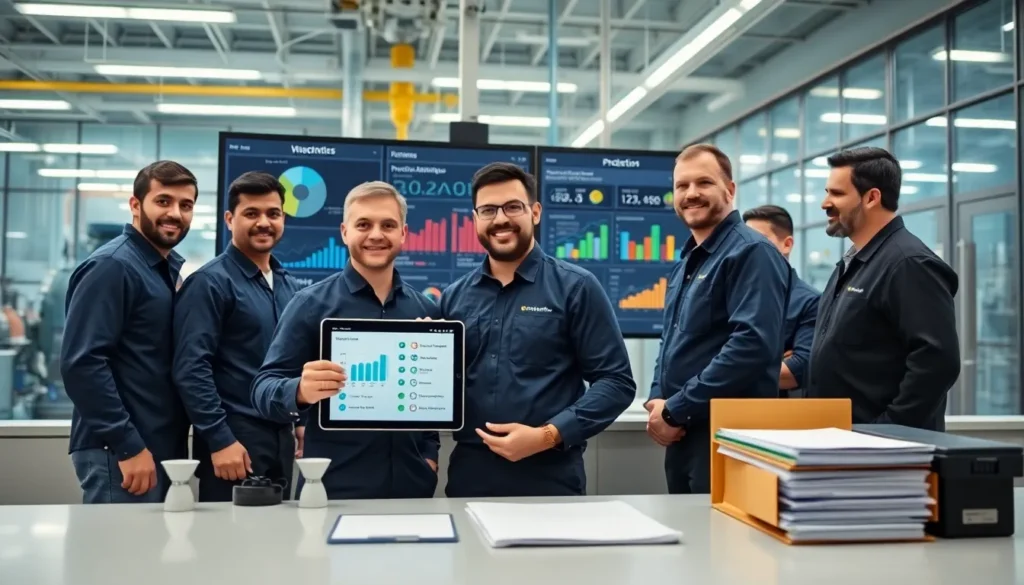
Maintenance checklists trends 2026 point toward smarter, faster, and more connected workflows. Organizations across industries are rethinking how they track equipment health and manage preventive tasks. The traditional paper-based checklist is fading. In its place, digital tools powered by artificial intelligence, cloud platforms, and IoT sensors are taking over.
This shift isn’t surprising. Downtime costs money. Missed inspections create safety risks. And outdated maintenance processes waste time that teams can’t afford to lose. The trends shaping maintenance checklists in 2026 address these problems head-on. They focus on prediction over reaction, accessibility over complexity, and sustainability over short-term fixes.
Here’s what maintenance teams should expect in the coming year, and how to prepare for these changes.
Table of Contents
ToggleKey Takeaways
- Maintenance checklists trends 2026 prioritize AI-powered predictive maintenance, reducing equipment downtime by up to 50% through data-driven task generation.
- Mobile-first and cloud-based platforms are replacing paper checklists, enabling real-time syncing, offline functionality, and richer data capture in the field.
- IoT sensors now feed live equipment data directly into maintenance checklists, enabling condition-based maintenance that cuts waste and prevents surprise failures.
- Sustainability and compliance tracking are becoming core checklist features, helping organizations meet tightening environmental regulations and ESG reporting requirements.
- Organizations should start adopting digital maintenance tools now by integrating existing sensor data with high-value assets and training teams to collaborate with AI recommendations.
AI-Powered Predictive Maintenance Integration
Artificial intelligence is reshaping maintenance checklists in 2026. Instead of fixed schedules, AI analyzes equipment data to predict when parts will fail. Maintenance teams then receive dynamic checklists based on actual machine conditions.
This approach reduces unnecessary inspections. It also catches problems before they cause breakdowns. A 2024 Deloitte study found that predictive maintenance can cut equipment downtime by up to 50%. By 2026, more organizations will adopt AI-driven checklists to achieve similar results.
How does this work in practice? AI algorithms process data from sensors, historical repair logs, and operational patterns. The system identifies warning signs, unusual vibrations, temperature spikes, or declining performance metrics. It then generates maintenance tasks specific to each asset’s current state.
Maintenance checklists trends 2026 show a clear move away from “check everything on Tuesday” thinking. The new model asks: “What actually needs attention right now?” This saves labor hours and extends equipment life.
Teams adopting AI-powered checklists should start with high-value assets. Integrate existing sensor data where possible. Train staff to trust and act on AI recommendations. The technology works best when humans and machines collaborate rather than compete.
Mobile-First and Cloud-Based Checklist Platforms
Mobile access is no longer optional for maintenance checklists in 2026. Technicians work in the field, on factory floors, and across multiple sites. They need checklists that travel with them.
Cloud-based platforms deliver this flexibility. A technician in Texas and a supervisor in Ohio can view the same checklist data instantly. Updates sync in real time. No one works from outdated information.
Mobile-first design also improves data capture. Technicians snap photos of equipment issues, add voice notes, and scan barcodes, all within the checklist app. This creates richer maintenance records than paper forms ever could.
Maintenance checklists trends 2026 emphasize offline functionality too. Not every job site has reliable internet. Modern platforms let users complete checklists offline, then sync automatically when connectivity returns.
The benefits extend beyond convenience:
- Faster task completion (no paperwork delays)
- Better compliance documentation (timestamped, location-tagged entries)
- Easier audits (searchable digital records)
- Reduced errors (dropdown menus and required fields prevent missed steps)
Organizations still using spreadsheets or paper checklists face a choice. Adopt mobile-first platforms now, or struggle to keep pace with competitors who already have.
IoT Sensors and Real-Time Data Connectivity
IoT sensors feed maintenance checklists with live equipment data. This connectivity transforms static task lists into responsive tools that adapt as conditions change.
Consider a HVAC system monitored by IoT sensors. The sensors track temperature, humidity, airflow, and energy consumption. When readings drift outside normal ranges, the maintenance checklist automatically flags relevant inspection tasks. Technicians know exactly what to check and why.
Maintenance checklists trends 2026 show IoT adoption accelerating. Sensor costs have dropped significantly over the past five years. Installation is simpler. And the return on investment becomes clear quickly, fewer surprise failures, lower repair costs, and longer asset lifespans.
Real-time connectivity also enables condition-based maintenance. Rather than replacing filters every 90 days regardless of actual condition, sensors measure filter pressure drop. The checklist prompts replacement only when needed. This approach cuts waste and saves money.
Key IoT applications for maintenance checklists include:
- Vibration monitoring for rotating equipment
- Thermal imaging for electrical systems
- Fluid analysis sensors for hydraulic machinery
- Energy meters for efficiency tracking
The challenge lies in data integration. Organizations need platforms that pull sensor data into maintenance workflows seamlessly. Siloed systems create extra work. The best maintenance checklists in 2026 will connect IoT inputs directly to actionable tasks.
Sustainability and Compliance-Focused Checklists
Environmental regulations are tightening. Corporate sustainability goals are expanding. Maintenance checklists trends 2026 reflect these pressures with built-in compliance tracking and sustainability metrics.
Modern checklists now include tasks for:
- Refrigerant leak inspections (EPA regulations)
- Energy efficiency measurements
- Waste disposal documentation
- Emissions monitoring
- Water usage audits
These aren’t add-ons. They’re core checklist items that organizations must complete to meet regulatory requirements and sustainability targets.
Compliance-focused checklists reduce audit stress. When inspectors arrive, maintenance teams pull complete digital records showing every required task, who completed it, and when. No scrambling through filing cabinets or reconstructing missing data.
Sustainability tracking goes further. Maintenance checklists in 2026 help organizations measure their environmental impact. They track resource consumption, identify inefficient equipment, and document improvement efforts. This data supports ESG reporting and demonstrates corporate responsibility.
Some industries face stricter requirements than others. Healthcare facilities must meet Joint Commission standards. Food manufacturers follow FDA guidelines. Energy producers comply with FERC regulations. Each sector needs maintenance checklists customized to its specific compliance landscape.
The trend is clear: maintenance and sustainability are merging. Teams that maintain equipment well also reduce energy waste, extend asset life, and minimize environmental harm. Maintenance checklists in 2026 make these connections visible and measurable.