Top maintenance checklists save time, money, and frustration. They prevent small problems from becoming expensive repairs. A leaky faucet ignored today becomes water damage tomorrow. A skipped oil change leads to engine failure next month.
Most people know they should maintain their homes and vehicles. Few actually do it consistently. The difference between knowing and doing often comes down to having a clear system. That’s where maintenance checklists prove their value.
This guide covers essential checklists for homes, vehicles, and seasonal tasks. It also explains how to build a custom maintenance schedule that fits any lifestyle. The goal is simple: protect investments and avoid preventable breakdowns.
Table of Contents
ToggleKey Takeaways
- Top maintenance checklists prevent small issues from becoming expensive repairs, saving you time, money, and frustration.
- Home maintenance tasks should be divided into monthly, quarterly, and annual schedules to protect your property’s value.
- Vehicle maintenance checklists reduce repair costs by 25-40% and extend your car’s lifespan significantly.
- Seasonal maintenance checklists help you prepare homes and vehicles for weather changes throughout the year.
- Create a custom maintenance schedule by inventorying items, gathering manufacturer recommendations, and choosing a tracking system you’ll actually use.
- Review and adjust your maintenance checklists every six months based on real-world experience for best results.
Home Maintenance Checklist
A home maintenance checklist keeps properties safe, functional, and valuable. Regular upkeep extends the lifespan of major systems and prevents costly emergency repairs.
Monthly Tasks
Some maintenance tasks need monthly attention:
- Test smoke and carbon monoxide detectors
- Check HVAC filters and replace if dirty
- Inspect plumbing for leaks under sinks
- Clean garbage disposal with ice and citrus peels
- Test garage door auto-reverse safety feature
These quick checks take about 30 minutes total. They catch issues before they escalate.
Quarterly Tasks
Every three months, homeowners should:
- Test all GFCI outlets
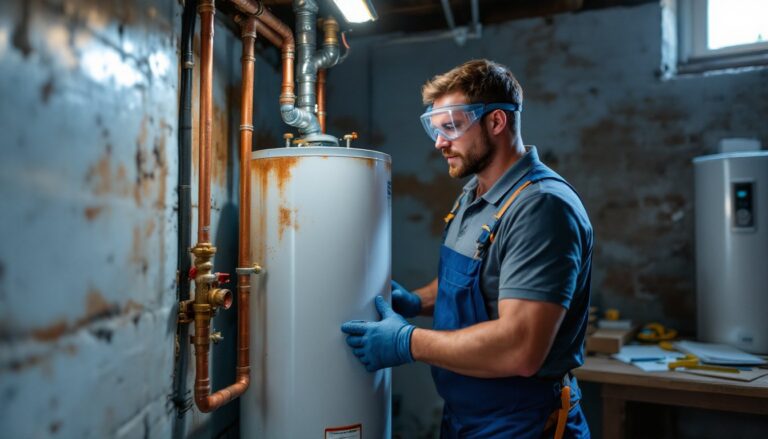
- Flush water heater to remove sediment
- Check washing machine hoses for cracks or bulges
- Clean range hood filters
- Inspect caulking around tubs and showers
Annual Tasks
Yearly maintenance requires more time but prevents major problems:
- Schedule professional HVAC inspection
- Clean dryer vents thoroughly
- Inspect the roof for damaged shingles
- Check the foundation for cracks
- Service the sump pump
- Flush the water heater completely
A solid home maintenance checklist protects the largest investment most families own. Skipping these tasks leads to problems that cost ten times more to fix than prevent.
Vehicle Maintenance Checklist
Vehicle maintenance checklists keep cars running safely and efficiently. They also preserve resale value and prevent roadside breakdowns.
Weekly Checks
Drivers should perform these quick inspections weekly:
- Check tire pressure (including the spare)
- Inspect tire tread depth
- Look for fluid leaks under the vehicle
- Test all exterior lights
- Top off windshield washer fluid
These tasks take five minutes and reveal developing problems early.
Monthly Tasks
Once a month, vehicle owners should:
- Check oil level and condition
- Inspect coolant and brake fluid levels
- Test battery terminals for corrosion
- Check wiper blade condition
- Inspect belts and hoses for wear
Mileage-Based Maintenance
Certain maintenance tasks depend on mileage rather than time:
- Every 3,000-7,500 miles: Oil change (check manufacturer specs)
- Every 15,000-30,000 miles: Air filter replacement
- Every 30,000 miles: Transmission fluid check
- Every 50,000 miles: Spark plug inspection
- Every 60,000 miles: Timing belt inspection
Following a vehicle maintenance checklist reduces repair costs by 25-40% according to automotive industry data. It also extends vehicle lifespan significantly.
Keep a log in the glove compartment. Record every service date, mileage, and what was done. This documentation proves valuable when selling the vehicle or diagnosing recurring issues.
Seasonal Maintenance Checklist
Seasonal maintenance checklists prepare homes and vehicles for weather changes. Each season brings specific challenges that require attention.
Spring Maintenance
Spring cleaning extends beyond dusting. Essential spring tasks include:
- Clean gutters and downspouts
- Inspect the roof for winter damage
- Service the air conditioning system
- Check window screens for tears
- Test outdoor faucets for freeze damage
- Prepare lawn equipment for the season
Summer Maintenance
Summer heat stresses certain systems. The seasonal maintenance checklist for summer should cover:
- Check deck and patio for loose boards or nails
- Inspect outdoor furniture and umbrellas
- Clean and maintain the pool or spa
- Check attic ventilation
- Inspect outdoor electrical outlets
Fall Maintenance
Fall preparation prevents winter emergencies:
- Schedule furnace inspection and cleaning
- Seal gaps around windows and doors
- Clean and store outdoor furniture
- Winterize irrigation systems
- Check insulation in the attic
- Stock emergency supplies
Winter Maintenance
Winter tasks focus on protection and monitoring:
- Check the heating system monthly
- Prevent ice dams on the roof
- Keep walkways clear and safe
- Monitor pipes in cold areas
- Test backup power sources
Seasonal maintenance checklists help homeowners stay ahead of weather-related problems. They spread tasks across the year rather than creating overwhelming to-do lists.
How to Create Your Own Maintenance Schedule
Generic maintenance checklists provide a starting point. Custom schedules account for specific equipment, climate, and lifestyle factors.
Step 1: Inventory Everything
List every item requiring regular maintenance:
- Major appliances with purchase dates
- HVAC equipment and last service date
- Vehicles with current mileage
- Outdoor equipment and tools
- Safety devices (detectors, extinguishers)
Step 2: Gather Manufacturer Recommendations
Check owner’s manuals for maintenance schedules. Manufacturers know their products best. Their recommendations should form the foundation of any maintenance checklist.
No manual? Most manufacturers post maintenance guides online. Search the model number plus “maintenance schedule.”
Step 3: Choose a Tracking System
Options range from simple to sophisticated:
- Paper calendar with monthly reminders
- Spreadsheet with automatic date calculations
- Dedicated maintenance apps (several good free options exist)
- Smart home systems with built-in reminders
The best system is the one that actually gets used. Start simple and upgrade if needed.
Step 4: Set Realistic Reminders
Schedule tasks when they can actually be completed. Sunday afternoon works better than Monday morning for most people. Batch similar tasks together when possible.
Step 5: Review and Adjust
After six months, evaluate the system. Some items need more frequent attention. Others can wait longer. Adjust the maintenance schedule based on real-world experience.
A personalized maintenance checklist becomes more valuable over time. It captures institutional knowledge about specific properties and equipment.