Hard water is a silent headache for millions of homeowners. When minerals like calcium and magnesium dissolve in your home’s water supply, they leave behind residue on fixtures, inside pipes, and on skin and hair. The culprit? Hard water. A water softener filter tackles this problem head-on by removing these troublesome minerals before they wreak havoc on your appliances and plumbing. But with so many filter types and brands flooding the market, choosing the right water softener system can feel overwhelming. This guide walks you through the fundamentals, what these filters do, which types work best for different situations, and how to keep yours running smoothly for years.
Table of Contents
ToggleKey Takeaways
- Water softener filters remove hardness minerals like calcium and magnesium through ion exchange, preventing costly damage to appliances and plumbing while improving soap effectiveness.
- Salt-based systems are the most effective option for very hard water, though they require monthly salt replenishment and regular maintenance, whereas salt-free alternatives are eco-friendly but less powerful.
- Calculate your home’s water softener capacity by multiplying daily water usage by hardness level in grains per gallon to avoid undersized systems or frequent regeneration.
- Salt-based systems require professional installation with two tanks and drain connections, while salt-free point-of-use filters can often be installed DIY in an afternoon.
- Resin beds in salt-based water softener filters typically last 10–15 years; watch for signs like returning hard water, slow flow, or leaks to know when replacement is needed.
- Test your water hardness annually and maintain brine tanks monthly to ensure your water softener filter operates efficiently and extends your home’s appliance lifespan.
Understanding Water Softener Filters and Why They Matter
Hard water doesn’t just leave unsightly white deposits on your shower door. It reduces the effectiveness of soap and detergent, causing you to use more than necessary. Over time, mineral buildup inside water heaters, dishwashers, and washing machines shortens their lifespan and forces costly repairs.
A water softener filter works by trapping hardness minerals, primarily calcium and magnesium, before they enter your home’s plumbing system. The most common method is ion exchange, where resin beads in the filter swap sodium (or potassium) ions for hardness minerals. This process doesn’t remove minerals entirely from the water: it replaces them with salt ions, which are harmless to your pipes and appliances.
Testing your water hardness is the critical first step. Most water softener installers offer free testing, or you can buy an inexpensive test kit at any hardware store. Water hardness is measured in parts per million (ppm) or grains per gallon (gpg). Anything above 60 ppm (roughly 3.5 gpg) is considered hard, and 120 ppm or higher is very hard. Your test results will guide your choice of filter size and type, a one-bedroom apartment needs a different system than a family of five in a sprawling home.
Types of Water Softener Filters Available Today
Salt-Based Ion Exchange Systems
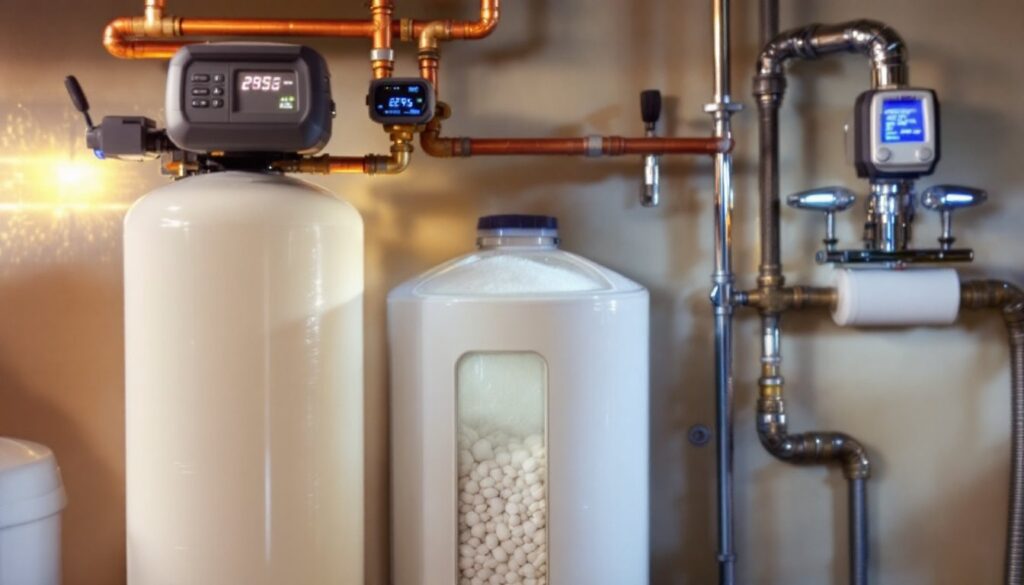
Salt-based systems remain the gold standard for removing hardness minerals. The resin tank contains tiny beads coated with sodium or potassium ions. As hard water passes through, the resin captures calcium and magnesium molecules, releasing sodium in exchange. When the resin becomes saturated (can’t hold any more hardness minerals), it enters regeneration mode: a brine solution from the salt tank flushes through, recharging the resin beads so they’re ready to work again.
These systems are highly effective and cost-efficient over time, though they require regular salt replenishment. A typical family of four uses about 40–50 pounds of salt monthly, depending on water hardness and household consumption. Installation involves a main tank (where resin lives), a brine tank (stores salt), and a control valve (manages the regeneration cycle). Many homeowners appreciate that these systems reduce water spots almost completely and extend appliance life significantly.
One trade-off: regeneration uses extra water and produces salty discharge that some municipalities regulate. Check local ordinances before installing, especially in areas with strict wastewater guidelines.
Salt-Free Filters and Alternative Technologies
Salt-free systems appeal to homeowners worried about sodium intake or environmental concerns. Instead of ion exchange, they use alternative methods: template-assisted crystallization (TAC) converts hardness minerals into crystals that don’t stick to surfaces, or catalytic carbon filters that reduce mineral adhesion without removing minerals outright.
These filters won’t soften water the way salt-based systems do, they won’t reduce soap scum or make water feel slippery. But, they’re gentler on the environment, require no salt or electricity, and don’t produce salty wastewater. They’re ideal for households with low-to-moderate hardness or those on sodium-restricted diets. Installation is simpler since there’s no brine tank or complex plumbing. Recent studies on water treatment efficiency show salt-free systems work best as point-of-use filters (filtering water at a specific faucet) rather than whole-home solutions.
How to Choose the Right Filter for Your Home
Start with your water hardness test results and household water consumption. A professional can calculate your home’s gallon-per-day usage by checking your water meter or looking at your utility bill. Multiply daily usage by your hardness level (in gpg) to find your system’s capacity requirement. A system that regenerates too frequently wastes salt and water: one that’s undersized won’t keep up with demand.
Next, assess your space and installation constraints. Salt-based systems need room for two tanks (resin and brine), plus a drain connection and electrical outlet for the control valve. If you live in an apartment or have limited space, a point-of-use filter under the kitchen sink might be your only option. Renters should confirm their lease allows permanent installation before committing.
Consider maintenance and operating costs. Salt-based systems require monthly salt purchases and occasional resin bed cleaning. Salt-free systems need cartridge replacement every 6–12 months, depending on water quality and usage. Check home service provider reviews and cost guides to understand typical installation fees in your region and compare long-term expenses.
If you have specific health concerns, like sodium sensitivity or wanting the gentlest option, salt-free is worth the trade-off in softening power. For households with very hard water and high demand, a salt-based system typically delivers the best return on investment.
Installation and Basic Maintenance Tips
Installation complexity varies by system type. Salt-free point-of-use filters can often be installed in an afternoon with just a wrench and adjustable pliers. Whole-home salt-based systems usually require a licensed plumber, especially if your home’s water line needs rerouting. Most jurisdictions don’t require a permit for water softeners, but check with your local building department first, some areas regulate wastewater discharge or require system certification.
Before installation, shut off the main water supply and drain the line at the lowest point. Measure twice: the resin tank outlet and inlet connections must be precise. Use food-grade Teflon tape on all threaded connections to prevent leaks. If you’re uncomfortable working with plumbing fittings, hire a professional, a burst connection can cause serious water damage.
For salt-based systems, maintain your brine tank by checking salt levels monthly. Top it off when salt dips below one-quarter tank capacity. Use water-softening salt pellets or crystals, don’t substitute rock salt, which contains insoluble minerals that clog the resin bed. Every few years, clean the tank’s interior with a stiff brush and hot water to remove salt residue and sediment buildup.
Regularly inspect hoses for kinks or cracks, especially those connected to the drain line. Most systems require an air gap (a gap between the drain line and the main sewer connection) to prevent backflow. Test your water hardness annually to confirm the system is working. If hardness spikes without explanation, the resin bed may need replacement or the control valve may need servicing.
Signs Your Water Softener Filter Needs Replacement
The most obvious sign: hard water returns. If you notice soap won’t lather, water spots reappear on glassware, or your skin feels slimy after a shower, your filter isn’t working. Check the salt level first, low salt triggers poor regeneration. If the tank is full and hardness persists, the resin bed has likely exhausted its capacity and needs replacement.
For salt-based systems, the resin bed typically lasts 10–15 years with proper maintenance. Replacement involves draining the tank, removing old resin, and installing new resin (a messy, labor-intensive job best left to professionals). For salt-free cartridge filters, simply unscrew the filter housing and swap in a new cartridge, a five-minute DIY task costing $50–150 depending on the model.
Other warning signs include slow water flow (sediment buildup in the tank or filter), unusual noises during regeneration (control valve malfunction), or water leaks around tank seams. Product reviews and technical guides can help you troubleshoot specific issues or decide whether repair or replacement makes sense financially. As a rule of thumb, if repair costs exceed 40% of a new system’s price, replacement is smarter.